
The Hidden Life that Shapes Us - Port Environment Centre AGM
Join us for a talk about how invisible biodiversity shapes our health and that of the ecosystems we depend upon!
This is the Port Environment Centre AGM – booking details to follow soon.
Location: Milledge's, 8A Todd St, Port Adelaide

President's webinar at the Royal College of Physicians and Surgeons of Glasgow
Ecosystem restoration is a public health intervention
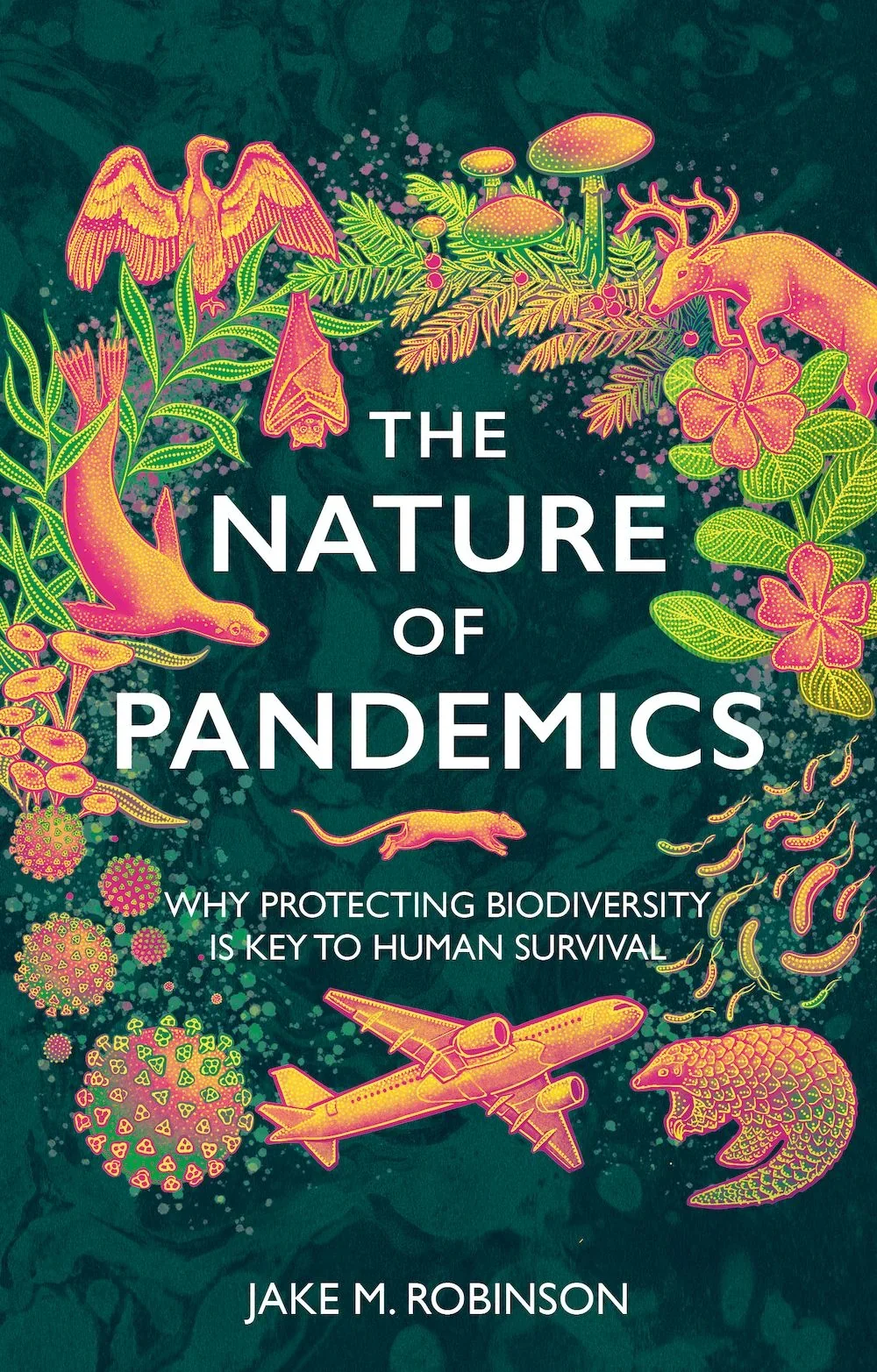
The Nature of Pandemics at the North Adelaide Society
Join us for a talk on The Nature of Pandemics!
https://pelagicpublishing.com/products/the-nature-of-pandemics
Probiotic Cities Symposium 2026!
Join us for the second Probiotic Cities Symposium in London!
Ticket information to be announced soon.
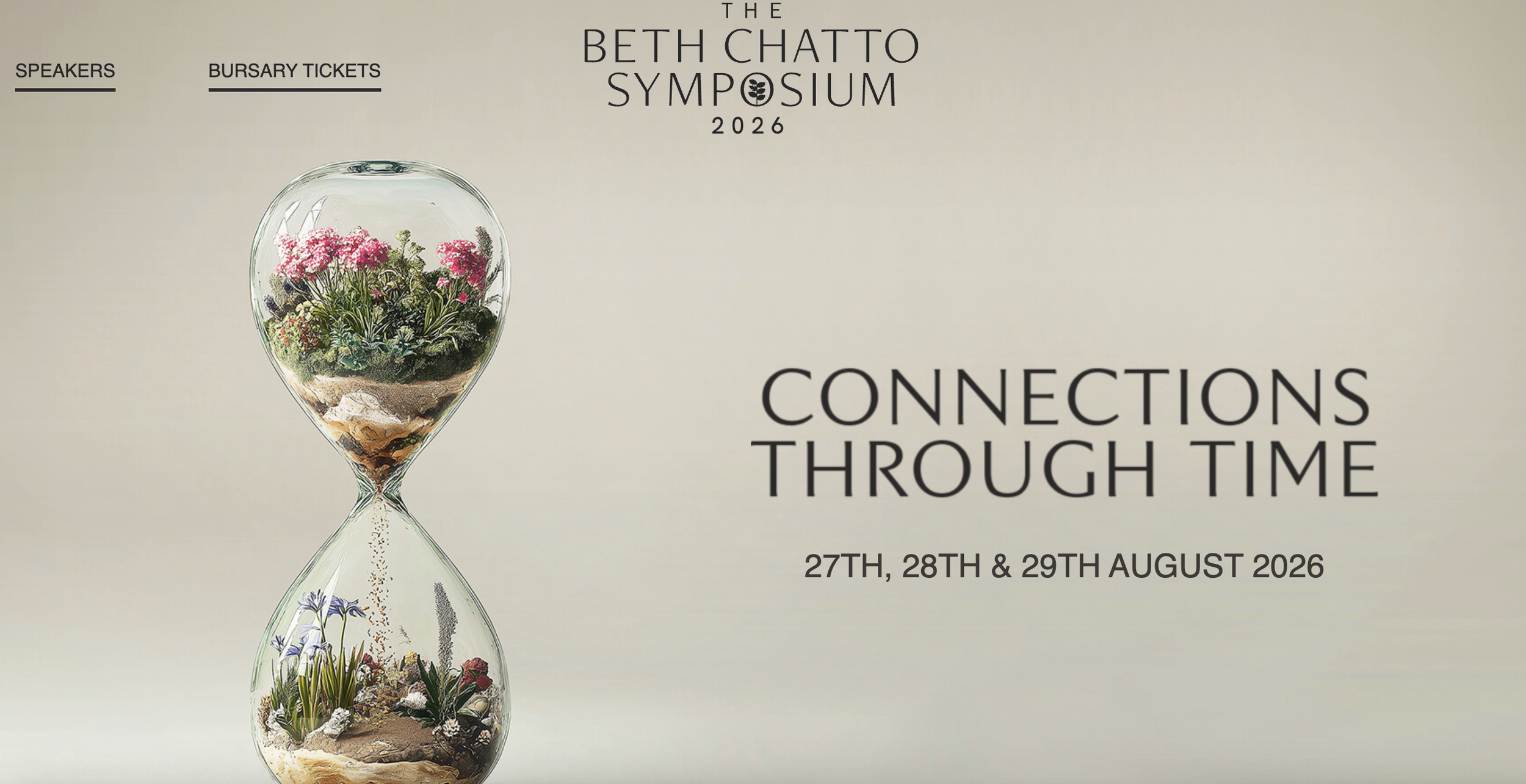
The Beth Chatto Symposium 2026
Join us for the Beth Chatto Symposium 2026: https://www.bethchatto.co.uk/symposium/symposium-2026/
The 2026 theme, Connections Through Time, aims to explore how plants, people and landscapes are shaped by temporal relationships: seasonal, generational, historical and future facing.
We want to ensure that we encompass new and innovative best practice, science and research within gardening, horticulture, ecology, design and landscaping, especially those approaches with wider benefits to the environment, wildlife and humans, and that help confront the challenges of the climate and biodiversity emergencies and ensure social justice.
Some themes or issues could include:
Plants’ evolution through time and the directions this may take in the face of climate change
Humans’ ongoing social and cultural co-evolution with plants across the planet
Responses to the various challenges of a changing world in professional practices
The development and/or encouragement of novel ecosystems in gardens and landscapes
Breaking from the past with new visions for the future of gardening
The conflict between horticulture and ecology in professional practices
Changing perspectives on gardens as spaces for people and other species
Shifting baselines and the establishment of ‘new normals’ in the public appreciation of progressive planting
Communication and collaboration throughout the industry and with the public
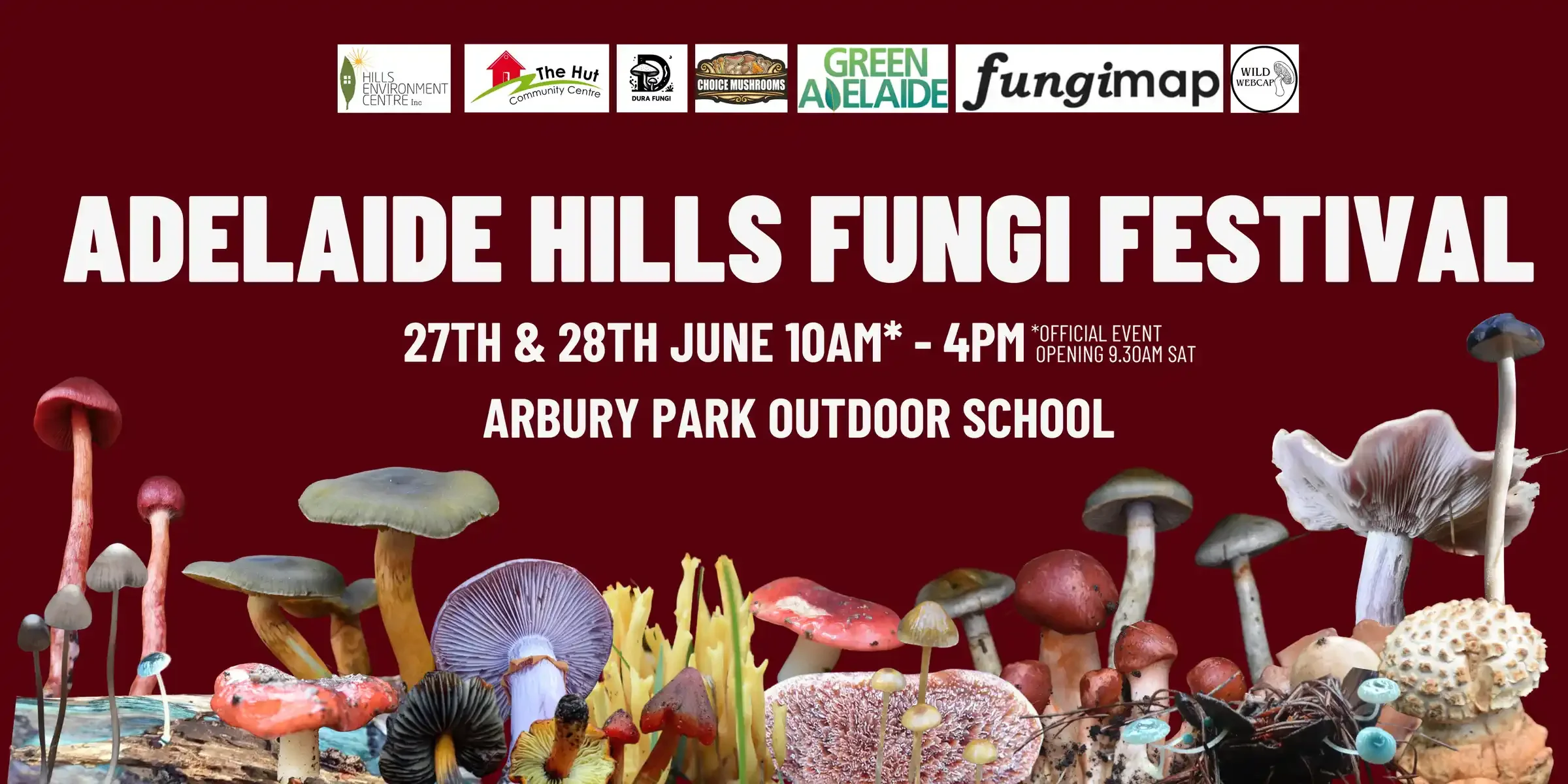
Adelaide Hills Fungi Festival!
Join us for a weekend of curiosity, connection, and discovery as we venture into the kingdom of fungi at the second Adelaide Hills Fungi Festival.
Explore the many ways fungi are woven into our lives with expert talks, hands-on workshops, guided forays, exhibitions, and more.
Whether you’re a passionate fungi enthusiast or simply curious, come along to learn something new and discover why fungi are among Earth’s most fascinating organisms.
BOOK TICKETS HERE: https://events.humanitix.com/adelaide-hills-fungi-festival-2026
What's Happening at the Adelaide Hills Fungi Festival?
Saturday 27th June
Using iNaturalist: Citizen Science in Action with Ferox australis
Conversation Circle with David Booth
Slime Moulds of South Australia with Peter Bos
Mindful Mushroom Foraging with Malcolm from Ligaya Garden
Beginners Mushroom Cultivation Workshop with Daniel from Barossa Gourmet Mushrooms (Saturday only. Booked separately)
Intermediate Mushroom Cultivation Workshop with Dave from Dura Fungi (Saturday only. Booked separately)
Sunday 28th June
Cortinarius: The World's Largest Genus with Jess Bamford from Wild Webcap
Fungi of South Australia with Pam Catcheside from the State Herbarium of South Australia
Microbial Ecology with Dr. Jake Robinson from Flinders University
Fungimap: Understanding and Conserving Australian Fungi with Dr. Jasmin Packer, Vice President of Fungimap
Fungi for Function Citizen Science Project Training Session with Sophie Green and Jess Bamford from Fungimap
Both days
Guided Fungi Foray with Adelaide Fungal Studies Group
Fungi identification station with Dr. Teresa Lebel from the State Herbarium of South Australia
Children's Activities in the Eco Centre
Microscopy Workshops with Pam Catcheside from the State Herbarium of South Australia
Fungi art exhibition
Mushroom Market featuring local producers, artists, makers and information stalls
Additional event on Monday 29th June:
Tour of Choice Mushrooms and Pure Mushrooms in Woodcroft, followed by a light lunch.
Tickets sold separately - please select ticket type 'Choice Mushrooms and Pure Mushrooms Farm Tour.'
Full program to be announced soon... Watch this space!
**********
Saturday 27th June 9.30am - 4.00pm
Sunday 28th June 10.00am - 4.00pm
Arbury Park Outdoor School, Bridgewater.
Bookings essential.
For further enquiries please contact:
Jess Bamford
Coordinator, Hills Environment Centre
0405 527 610
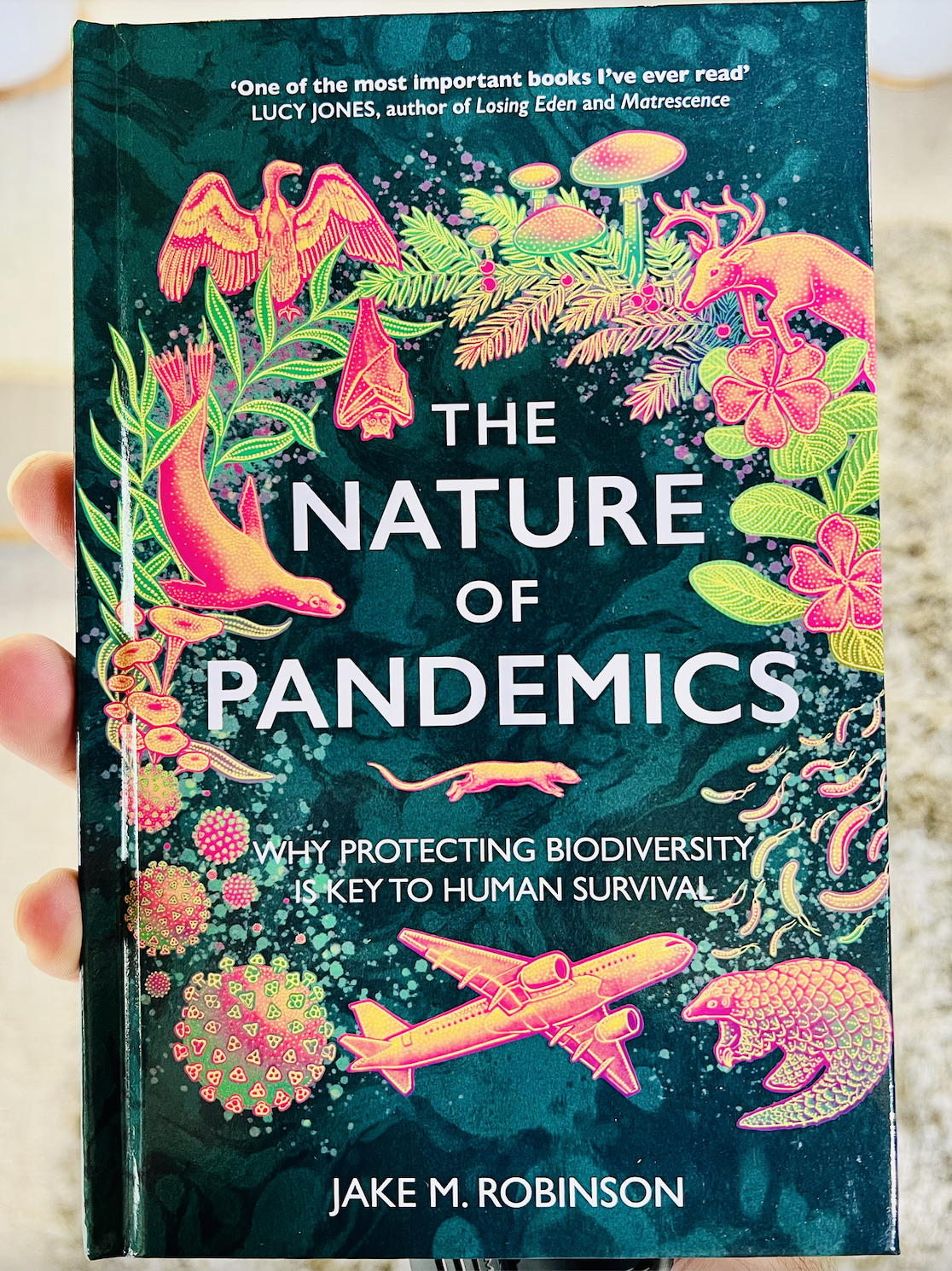
The Nature of Pandemics
Join me at the North Adelaide Community Centre for a talk on my latest book, The Nature of Pandemics
Check out my blog on the book: www.jakemrobinson.com/blog/the-nature-of-pandemics
When will the next pandemic arrive? For wildlife, it’s already here.
The Nature of Pandemics explores an unspoken truth: how our actions are driving wildlife pandemics across the world. Highlighting the interconnectedness of human, (non-human) animal and environmental health, it examines historical and contemporary pandemics and considers the importance of conservation and restoration efforts, presenting a compelling case for rethinking how we approach pandemic prevention.
This timely book reframes pandemics as ecological crises that require ecological solutions, unravelling the relationship between biodiversity, ecosystem health and pandemic risk. It reveals how climate change and human activities such as habitat destruction and the wildlife trade contribute to the emergence of infectious diseases, taking the reader through likely candidates for the next pandemic. An in-depth analysis of historical pandemics links past outbreaks, such as the bubonic plague in Eyam, to modern epidemiological challenges. The book also investigates human–wildlife conflict and social equity issues, demonstrating how deforestation and land-use change drive spillovers and how poorer communities disproportionately bear the brunt of outbreaks.
Pandemics pose an escalating global threat, their frequency increasing due to human-induced environmental changes. Prevention is not just down to medical preparedness but also about restoring and protecting biodiversity. By offering solutions such as green prescriptions, ecosystem restoration and sustainable policies, this book sets out an exciting interdisciplinary perspective that merges microbiology, ecology, epidemiology and restoration science.
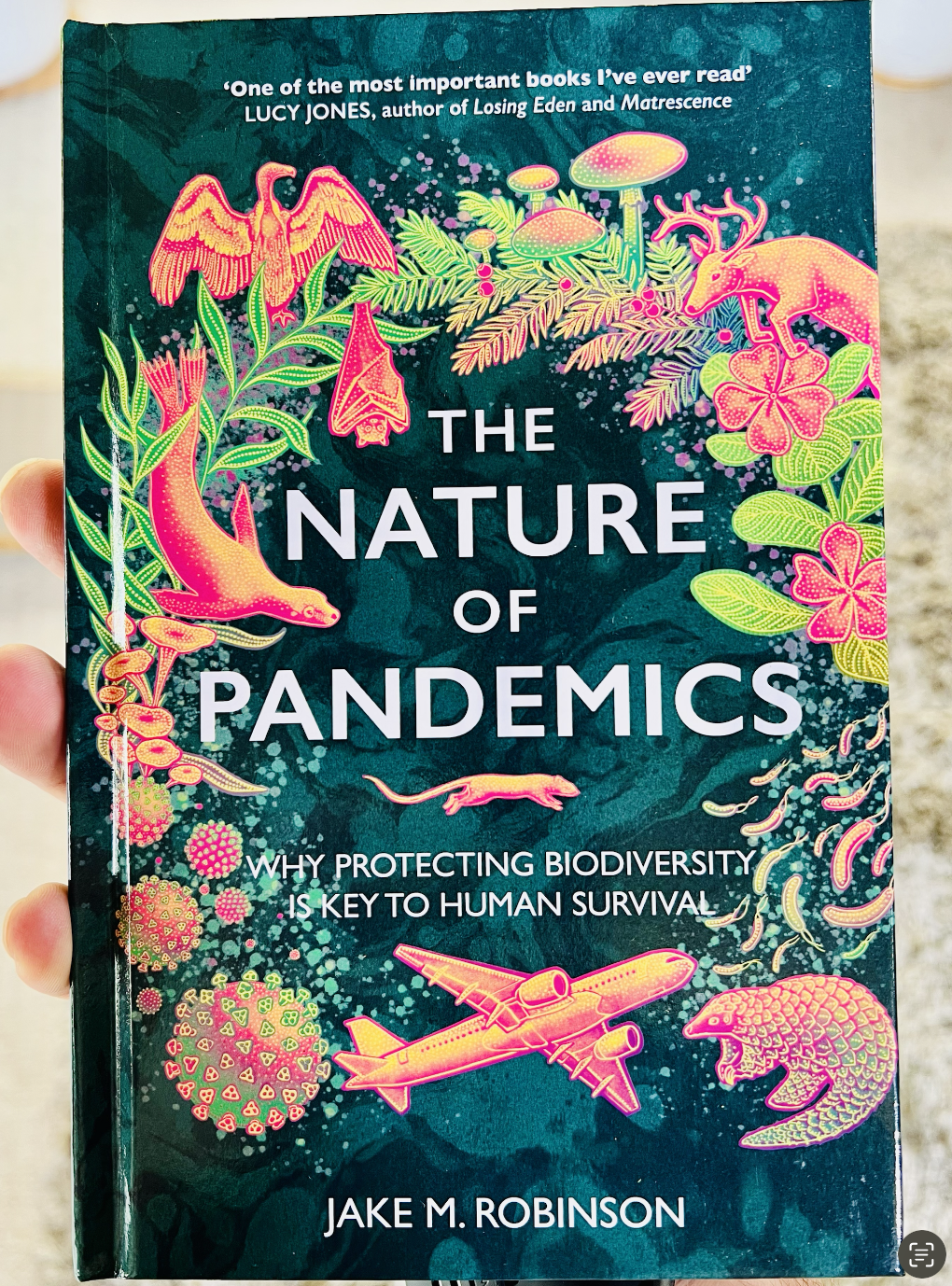
The Nature of Pandemics
Join Dr Jake Robinson for a talk on his latest book, The Nature of Pandemics
At Adelaide Bushwalkers Club - 176 Tynte Street North Adelaide
When will the next pandemic arrive? From a One Health perspective, it's already unfolding.
The Nature of Pandemics explores a critical but often overlooked reality: pandemics are not just medical events – they are the outcome of disrupted relationships between humans, animals and the environment. Drawing on the principles of One Health, this talk examines how biodiversity loss, ecosystem degradation, climate change and globalised systems are reshaping disease dynamics across the planet.
From historical outbreaks to emerging threats, it reveals how human actions are driving spillover events and amplifying risk – often with the greatest impacts felt by the most vulnerable communities. By reframing pandemics as ecological and social crises, Dr Robinson highlights the deep interconnections between environmental integrity, animal health and human wellbeing.
The talk moves beyond response and preparedness to focus on prevention at the source – through conservation, restoration, and more equitable and sustainable relationships with the natural world. Blending insights from microbiology, ecology, epidemiology and restoration science, The Nature of Pandemics offers a compelling vision for a future where protecting ecosystems is central to protecting health.
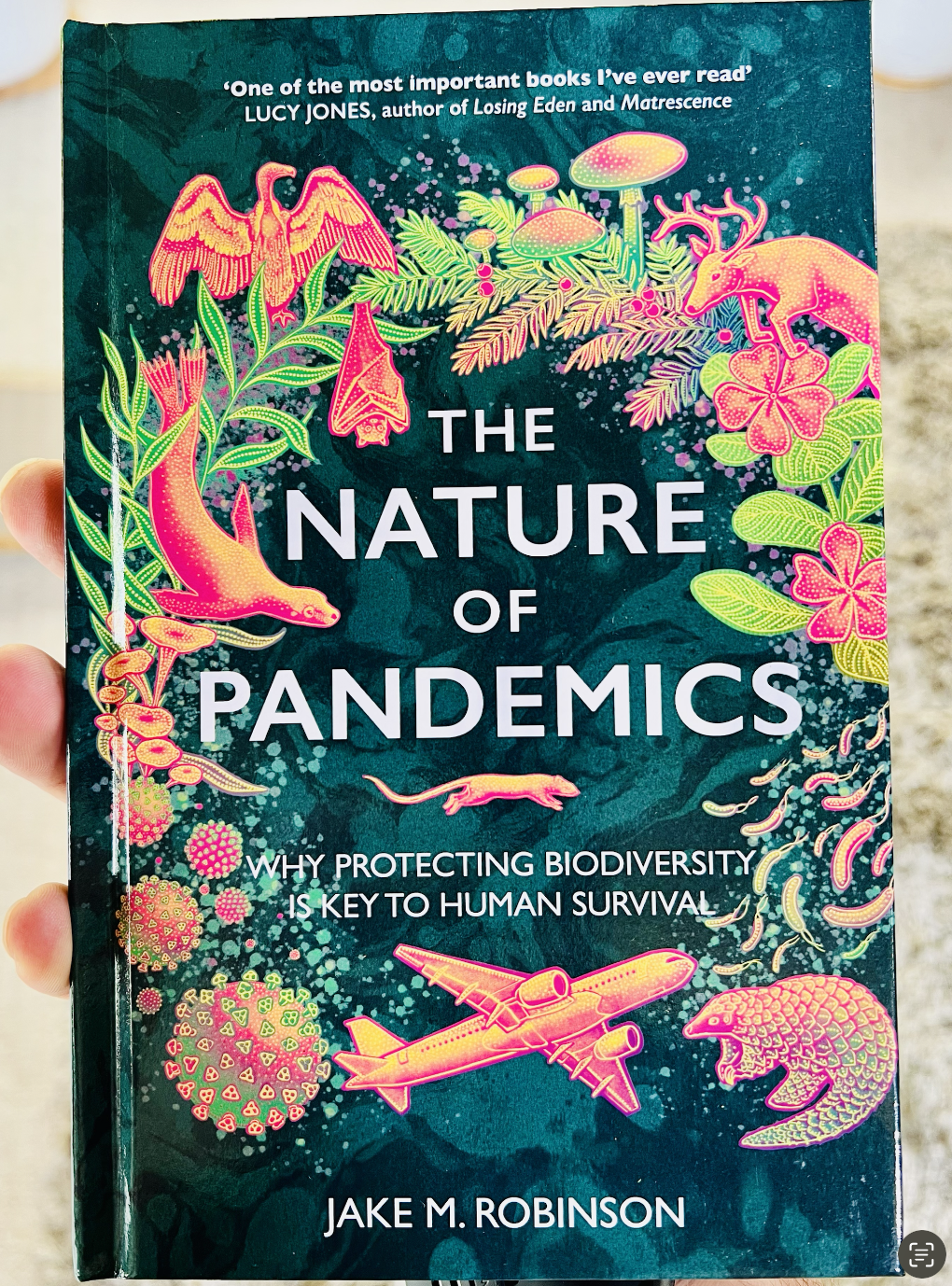
The Nature of Pandemics: Why Protecting Biodiversity is Key to Human Survival
Join Dr Jake Robinson for a talk on his latest book, The Nature of Pandemics
AT THE WILLUNGA ENVIRONMENT CENTRE
When will the next pandemic arrive? From a One Health perspective, it's already unfolding.
The Nature of Pandemics explores a critical but often overlooked reality: pandemics are not just medical events – they are the outcome of disrupted relationships between humans, animals and the environment. Drawing on the principles of One Health, this talk examines how biodiversity loss, ecosystem degradation, climate change and globalised systems are reshaping disease dynamics across the planet.
From historical outbreaks to emerging threats, it reveals how human actions are driving spillover events and amplifying risk – often with the greatest impacts felt by the most vulnerable communities. By reframing pandemics as ecological and social crises, Dr Robinson highlights the deep interconnections between environmental integrity, animal health and human wellbeing.
The talk moves beyond response and preparedness to focus on prevention at the source – through conservation, restoration, and more equitable and sustainable relationships with the natural world. Blending insights from microbiology, ecology, epidemiology and restoration science, The Nature of Pandemics offers a compelling vision for a future where protecting ecosystems is central to protecting health.
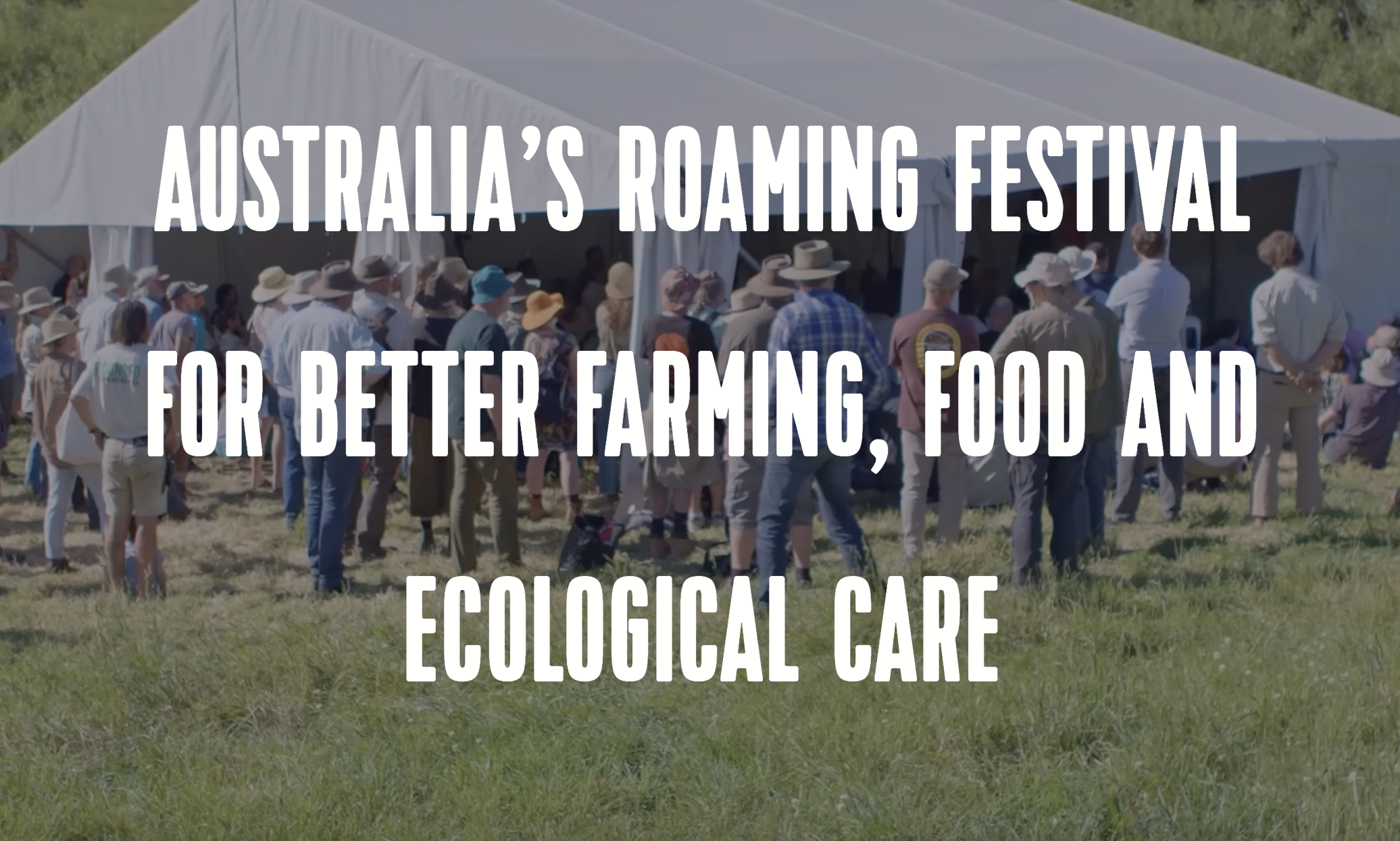
GROUNDED 2026!
Join me at GROUNDED! Australia’s roaming festival for better farming, food and ecological care.
GROUNDED festival is held in a different location every year so each festival is a unique, unmissable event. In April 2026, the festival will be held on the beautiful Yan Yan Gurt West Farm in Victoria’s spectacular Otway Ranges.
Over two unforgettable days, Yan Yan Gurt West will come alive: bold conversations, standout speakers, hands-on workshops and paddock demonstrations across multiple stages. Add local food and drink, live music, on-site camping and starry skies – this is the gathering you’ll be talking about all year.
All information can be found here:
https://groundedaustralia.com.au/
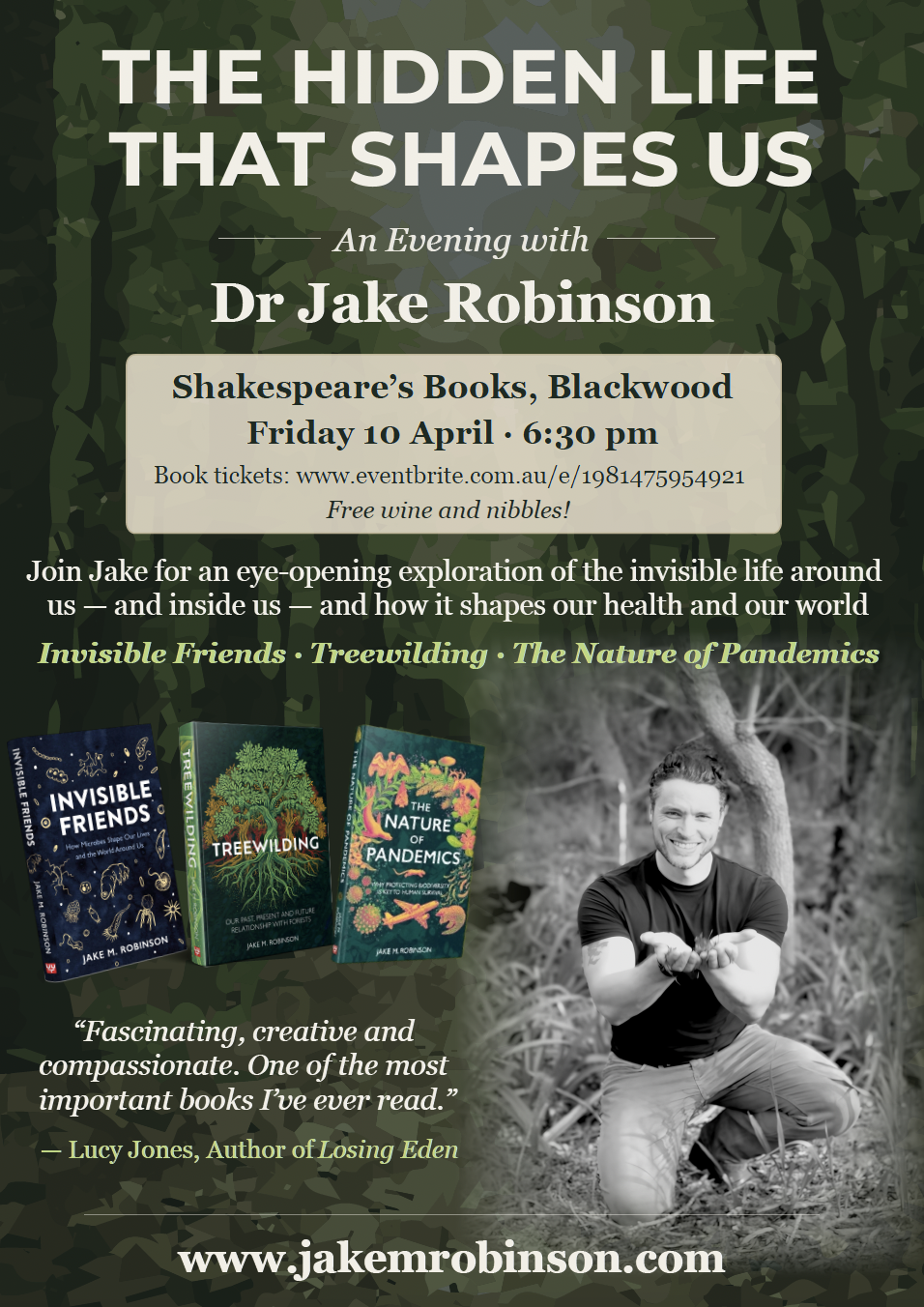
The Hidden Life That Shapes Us
Free wine and nibbles!
The Hidden Life That Shapes Us
Join Dr Jake Robinson for an evening that brings three of his books into one big, compelling story.
Book tickets here: https://www.eventbrite.com.au/e/the-hidden-life-that-shapes-us-tickets-1981475954921
You’ll travel from the invisible world of microbes in Invisible Friends, through the living intelligence of forests in Treewilding, to the surprising science behind The Nature of Pandemics.
Along the way, Jake will show how our minds, bodies and environments constantly shape each other — and why restoring nature is also a way of restoring ourselves.
Expect real science, real stories and practical insights you can take home.
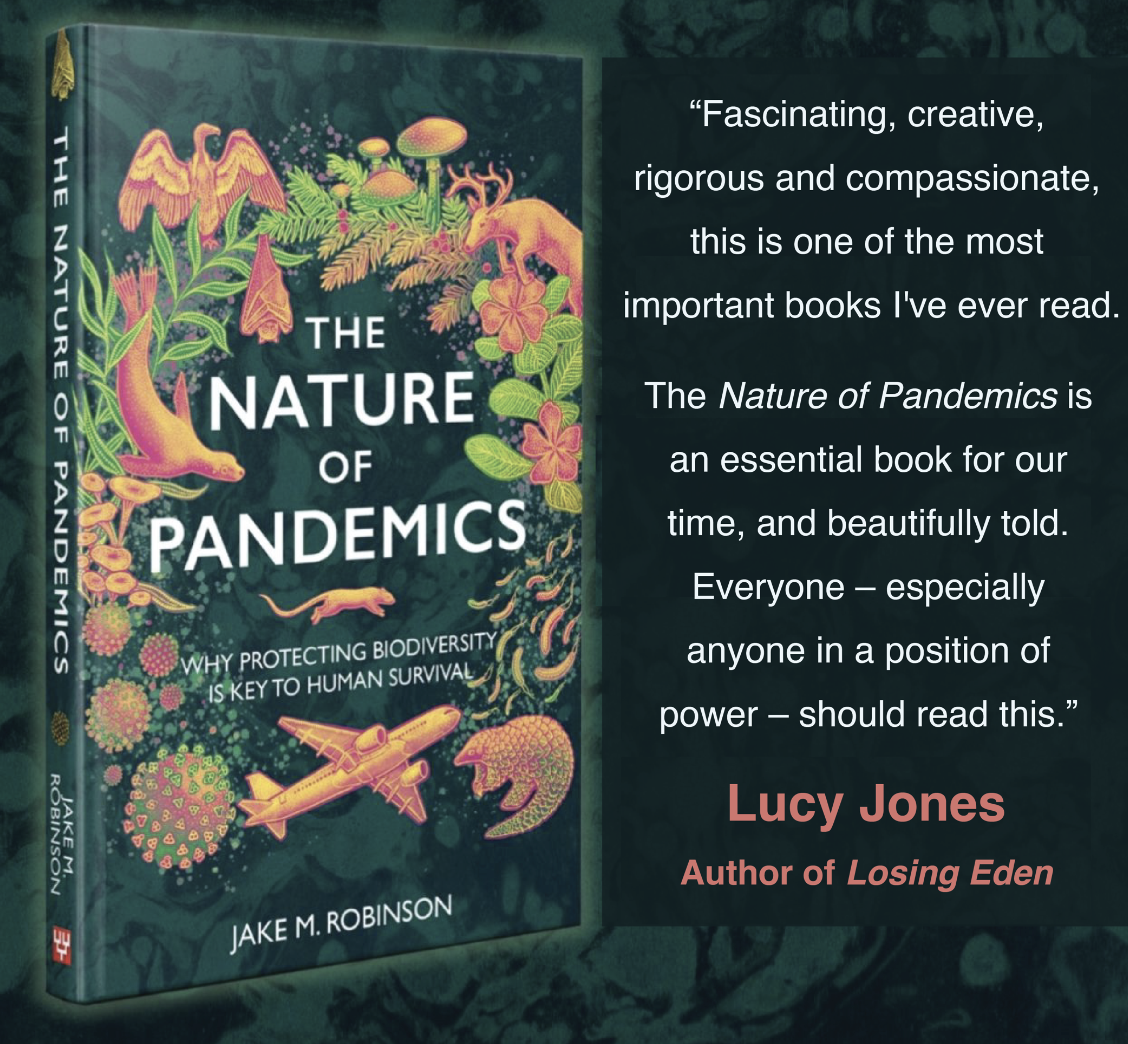
The Nature of Pandemics
Join me at Stirling Library in the Adelaide Hills for a talk on my latest book, The Nature of Pandemics
Check out my blog on the book: www.jakemrobinson.com/blog/the-nature-of-pandemics
When will the next pandemic arrive? For wildlife, it’s already here.
The Nature of Pandemics explores an unspoken truth: how our actions are driving wildlife pandemics across the world. Highlighting the interconnectedness of human, (non-human) animal and environmental health, it examines historical and contemporary pandemics and considers the importance of conservation and restoration efforts, presenting a compelling case for rethinking how we approach pandemic prevention.
This timely book reframes pandemics as ecological crises that require ecological solutions, unravelling the relationship between biodiversity, ecosystem health and pandemic risk. It reveals how climate change and human activities such as habitat destruction and the wildlife trade contribute to the emergence of infectious diseases, taking the reader through likely candidates for the next pandemic. An in-depth analysis of historical pandemics links past outbreaks, such as the bubonic plague in Eyam, to modern epidemiological challenges. The book also investigates human–wildlife conflict and social equity issues, demonstrating how deforestation and land-use change drive spillovers and how poorer communities disproportionately bear the brunt of outbreaks.
Pandemics pose an escalating global threat, their frequency increasing due to human-induced environmental changes. Prevention is not just down to medical preparedness but also about restoring and protecting biodiversity. By offering solutions such as green prescriptions, ecosystem restoration and sustainable policies, this book sets out an exciting interdisciplinary perspective that merges microbiology, ecology, epidemiology and restoration science.
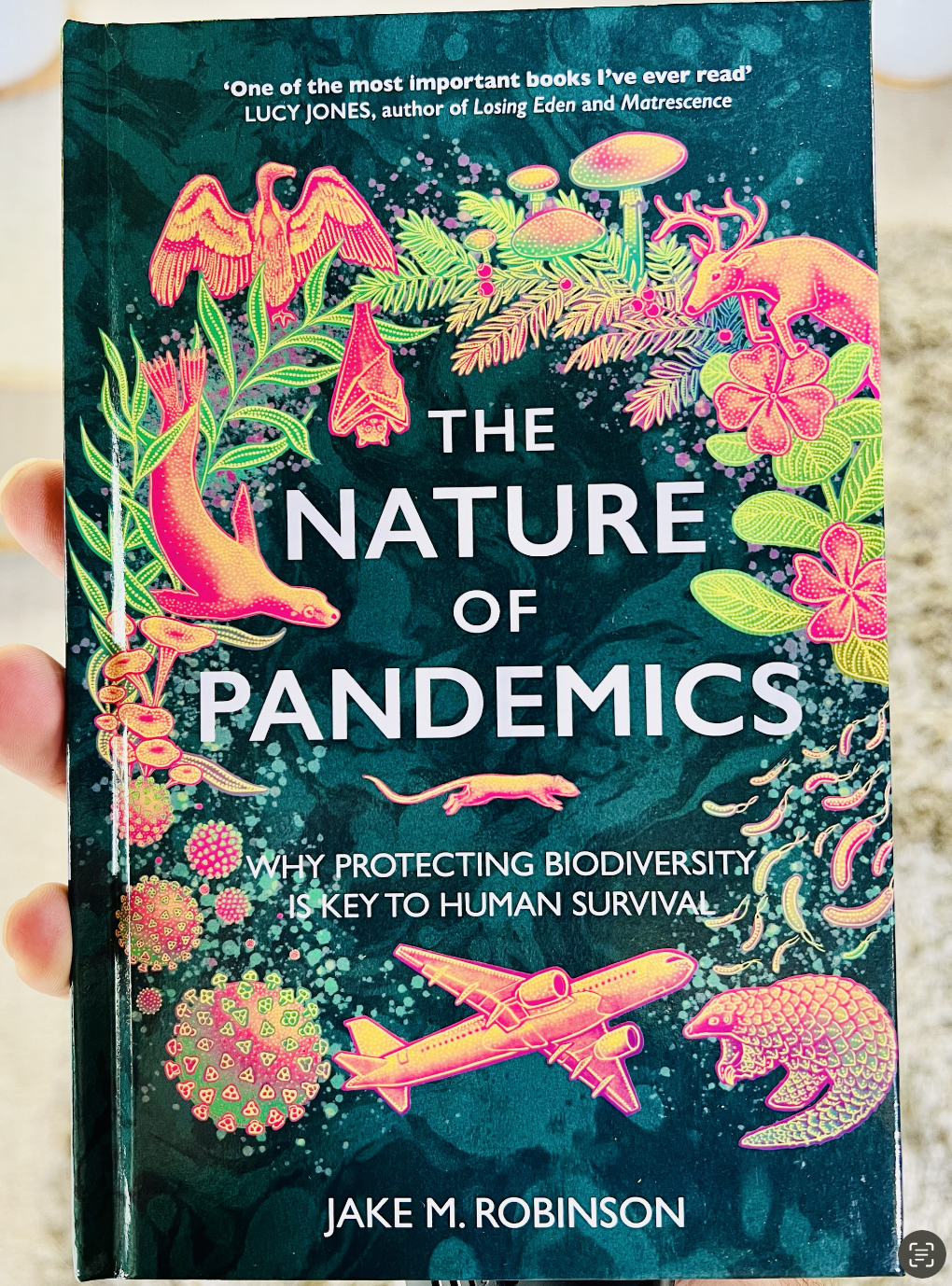
The Nature of Pandemics
Join me for a talk on my latest book, The Nature of Pandemics
Check out my blog on the book: www.jakemrobinson.com/blog/the-nature-of-pandemics
When will the next pandemic arrive? For wildlife, it’s already here.
The Nature of Pandemics explores an unspoken truth: how our actions are driving wildlife pandemics across the world. Highlighting the interconnectedness of human, (non-human) animal and environmental health, it examines historical and contemporary pandemics and considers the importance of conservation and restoration efforts, presenting a compelling case for rethinking how we approach pandemic prevention.
This timely book reframes pandemics as ecological crises that require ecological solutions, unravelling the relationship between biodiversity, ecosystem health and pandemic risk. It reveals how climate change and human activities such as habitat destruction and the wildlife trade contribute to the emergence of infectious diseases, taking the reader through likely candidates for the next pandemic. An in-depth analysis of historical pandemics links past outbreaks, such as the bubonic plague in Eyam, to modern epidemiological challenges. The book also investigates human–wildlife conflict and social equity issues, demonstrating how deforestation and land-use change drive spillovers and how poorer communities disproportionately bear the brunt of outbreaks.
Pandemics pose an escalating global threat, their frequency increasing due to human-induced environmental changes. Prevention is not just down to medical preparedness but also about restoring and protecting biodiversity. By offering solutions such as green prescriptions, ecosystem restoration and sustainable policies, this book sets out an exciting interdisciplinary perspective that merges microbiology, ecology, epidemiology and restoration science.
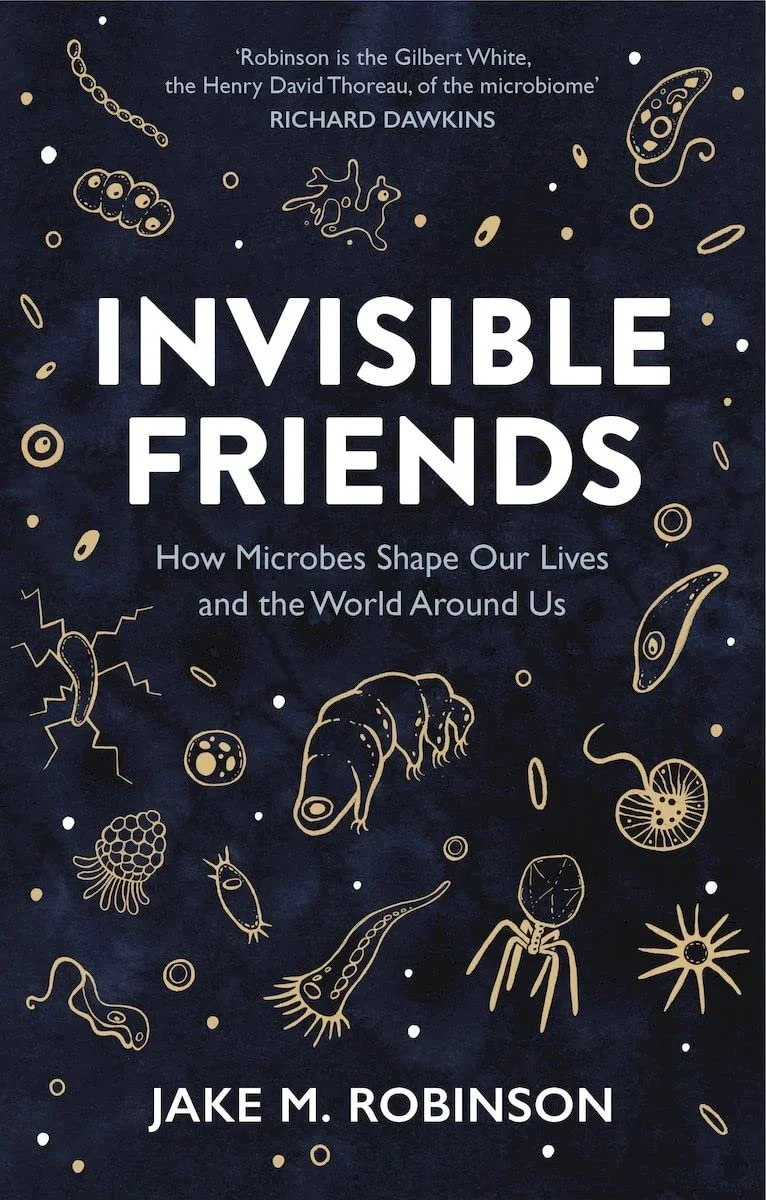
How Microbes Shape Our Health in Suprising Ways!
Join me for a talk on how microbes (bacteria, fungi, viruses, etc.) shape our health in both health-demoting (pathogenic) but also health-promoting (salutogenic) ways!
Online talk: joining instructions to follow soon.
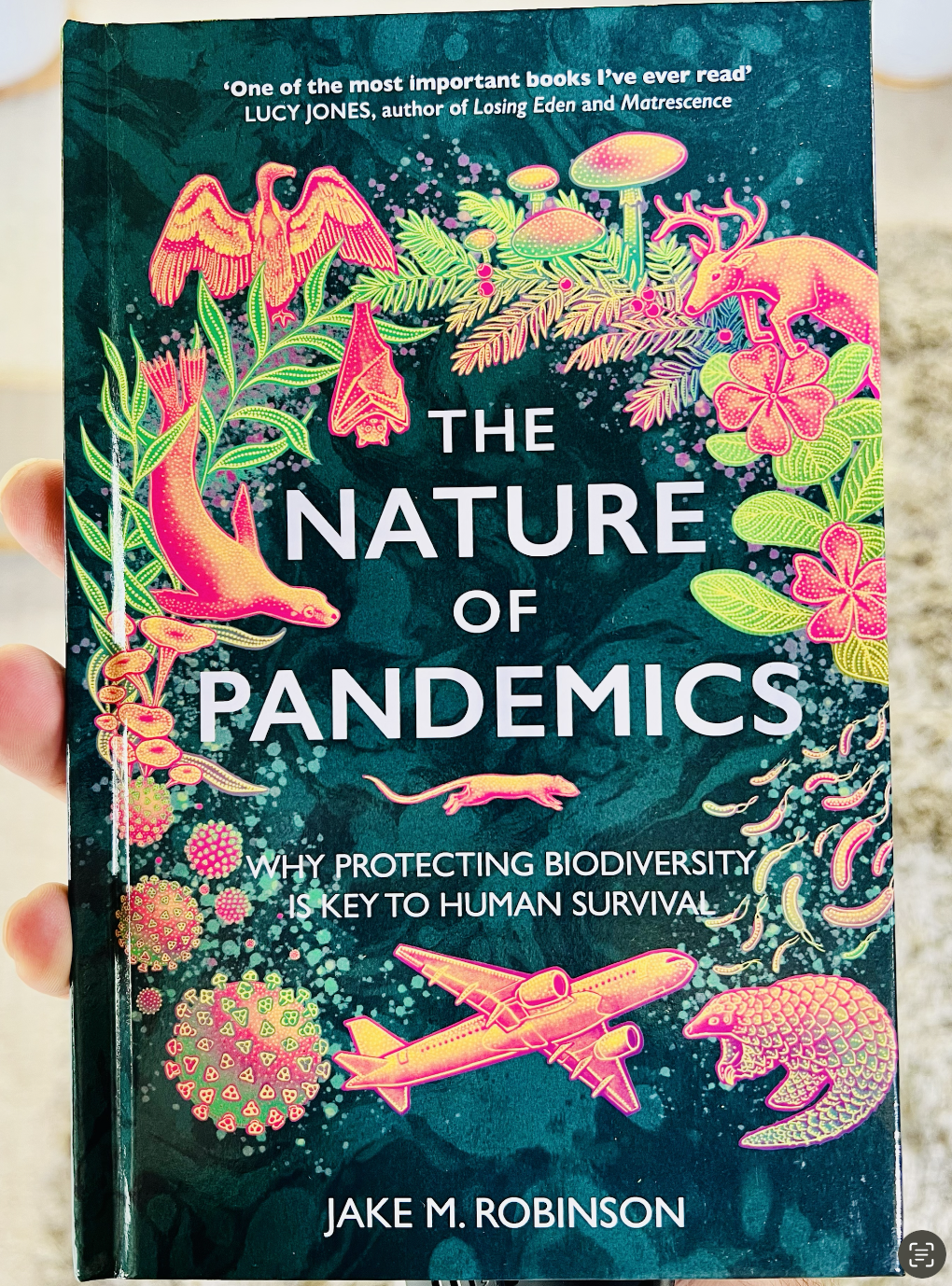
The Nature of Pandemics
Join me for a talk on my latest book, The Nature of Pandemics
Check out my blog on the book: www.jakemrobinson.com/blog/the-nature-of-pandemics
When will the next pandemic arrive? For wildlife, it’s already here.
The Nature of Pandemics explores an unspoken truth: how our actions are driving wildlife pandemics across the world. Highlighting the interconnectedness of human, (non-human) animal and environmental health, it examines historical and contemporary pandemics and considers the importance of conservation and restoration efforts, presenting a compelling case for rethinking how we approach pandemic prevention.
This timely book reframes pandemics as ecological crises that require ecological solutions, unravelling the relationship between biodiversity, ecosystem health and pandemic risk. It reveals how climate change and human activities such as habitat destruction and the wildlife trade contribute to the emergence of infectious diseases, taking the reader through likely candidates for the next pandemic. An in-depth analysis of historical pandemics links past outbreaks, such as the bubonic plague in Eyam, to modern epidemiological challenges. The book also investigates human–wildlife conflict and social equity issues, demonstrating how deforestation and land-use change drive spillovers and how poorer communities disproportionately bear the brunt of outbreaks.
Pandemics pose an escalating global threat, their frequency increasing due to human-induced environmental changes. Prevention is not just down to medical preparedness but also about restoring and protecting biodiversity. By offering solutions such as green prescriptions, ecosystem restoration and sustainable policies, this book sets out an exciting interdisciplinary perspective that merges microbiology, ecology, epidemiology and restoration science.
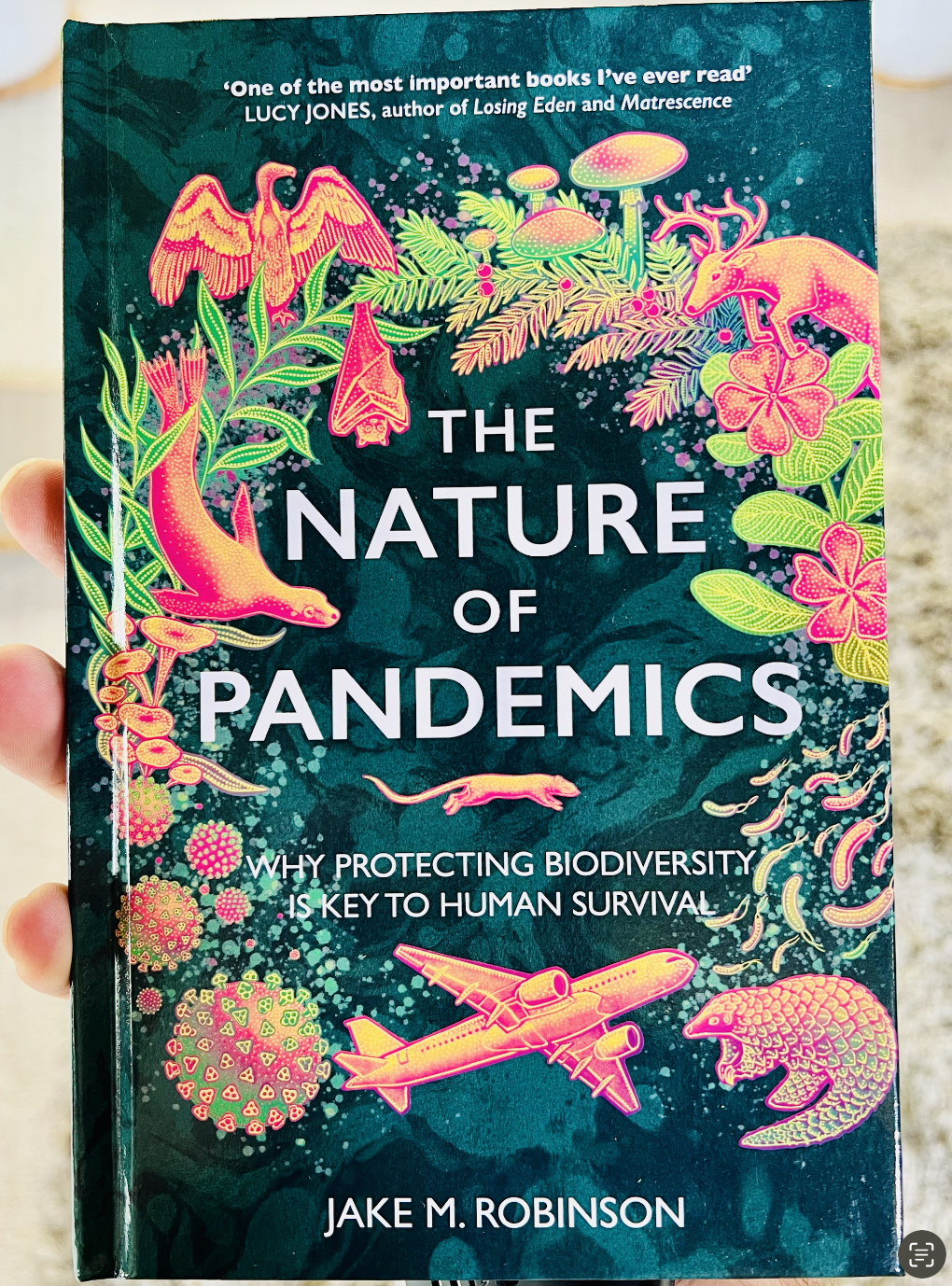
The Nature of Pandemics
Join me for a talk on my latest book, The Nature of Pandemics
Check out my blog on the book: www.jakemrobinson.com/blog/the-nature-of-pandemics
When will the next pandemic arrive? For wildlife, it’s already here.
The Nature of Pandemics explores an unspoken truth: how our actions are driving wildlife pandemics across the world. Highlighting the interconnectedness of human, (non-human) animal and environmental health, it examines historical and contemporary pandemics and considers the importance of conservation and restoration efforts, presenting a compelling case for rethinking how we approach pandemic prevention.
This timely book reframes pandemics as ecological crises that require ecological solutions, unravelling the relationship between biodiversity, ecosystem health and pandemic risk. It reveals how climate change and human activities such as habitat destruction and the wildlife trade contribute to the emergence of infectious diseases, taking the reader through likely candidates for the next pandemic. An in-depth analysis of historical pandemics links past outbreaks, such as the bubonic plague in Eyam, to modern epidemiological challenges. The book also investigates human–wildlife conflict and social equity issues, demonstrating how deforestation and land-use change drive spillovers and how poorer communities disproportionately bear the brunt of outbreaks.
Pandemics pose an escalating global threat, their frequency increasing due to human-induced environmental changes. Prevention is not just down to medical preparedness but also about restoring and protecting biodiversity. By offering solutions such as green prescriptions, ecosystem restoration and sustainable policies, this book sets out an exciting interdisciplinary perspective that merges microbiology, ecology, epidemiology and restoration science.
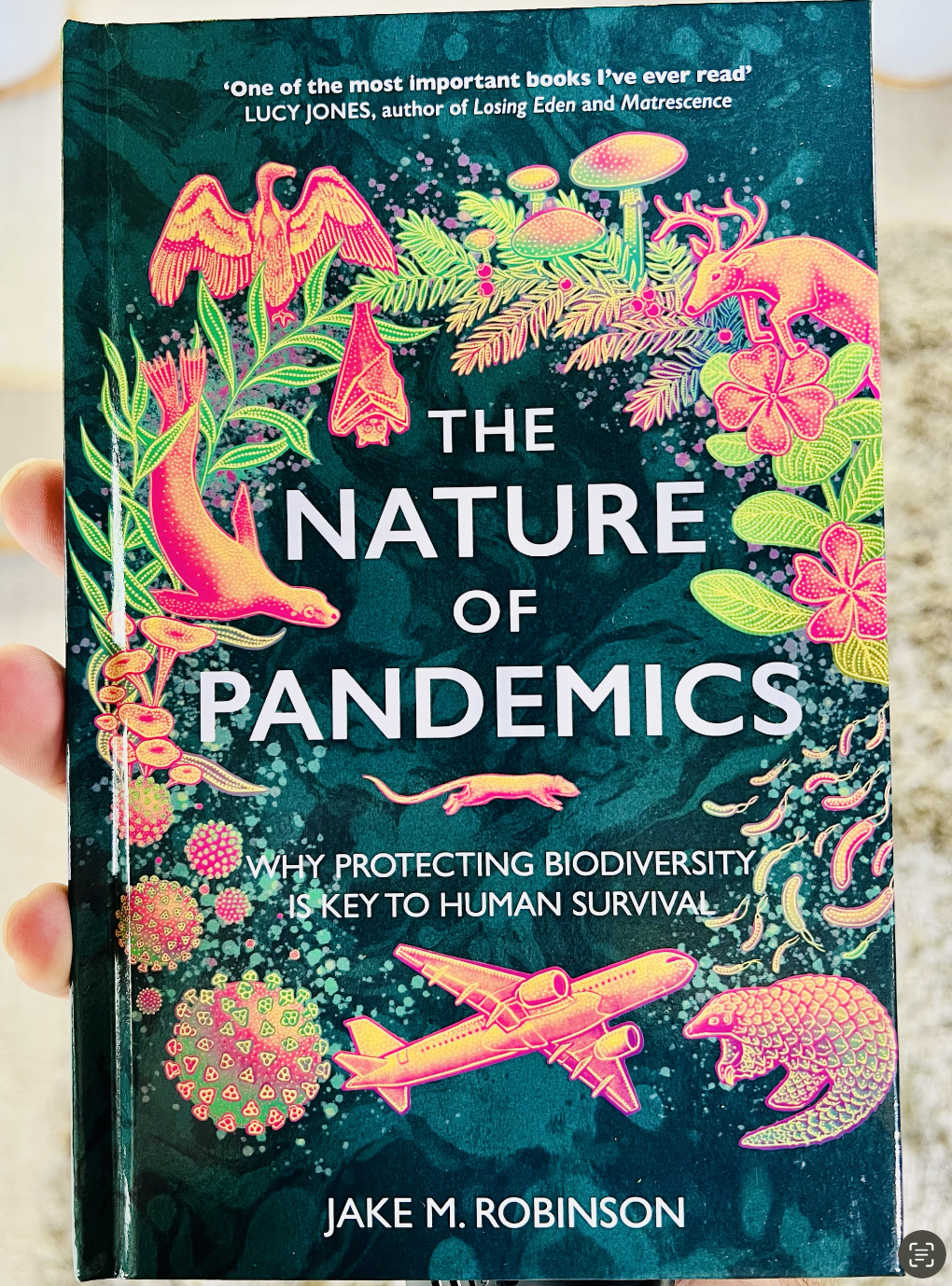
The Nature of Pandemics
Join me at the Adelaide Bushwalkers meeting at North Adelaide Community Centre and Library for a talk on my latest book, The Nature of Pandemics
Check out my blog on the book: www.jakemrobinson.com/blog/the-nature-of-pandemics
When will the next pandemic arrive? For wildlife, it’s already here.
The Nature of Pandemics explores an unspoken truth: how our actions are driving wildlife pandemics across the world. Highlighting the interconnectedness of human, (non-human) animal and environmental health, it examines historical and contemporary pandemics and considers the importance of conservation and restoration efforts, presenting a compelling case for rethinking how we approach pandemic prevention.
This timely book reframes pandemics as ecological crises that require ecological solutions, unravelling the relationship between biodiversity, ecosystem health and pandemic risk. It reveals how climate change and human activities such as habitat destruction and the wildlife trade contribute to the emergence of infectious diseases, taking the reader through likely candidates for the next pandemic. An in-depth analysis of historical pandemics links past outbreaks, such as the bubonic plague in Eyam, to modern epidemiological challenges. The book also investigates human–wildlife conflict and social equity issues, demonstrating how deforestation and land-use change drive spillovers and how poorer communities disproportionately bear the brunt of outbreaks.
Pandemics pose an escalating global threat, their frequency increasing due to human-induced environmental changes. Prevention is not just down to medical preparedness but also about restoring and protecting biodiversity. By offering solutions such as green prescriptions, ecosystem restoration and sustainable policies, this book sets out an exciting interdisciplinary perspective that merges microbiology, ecology, epidemiology and restoration science.
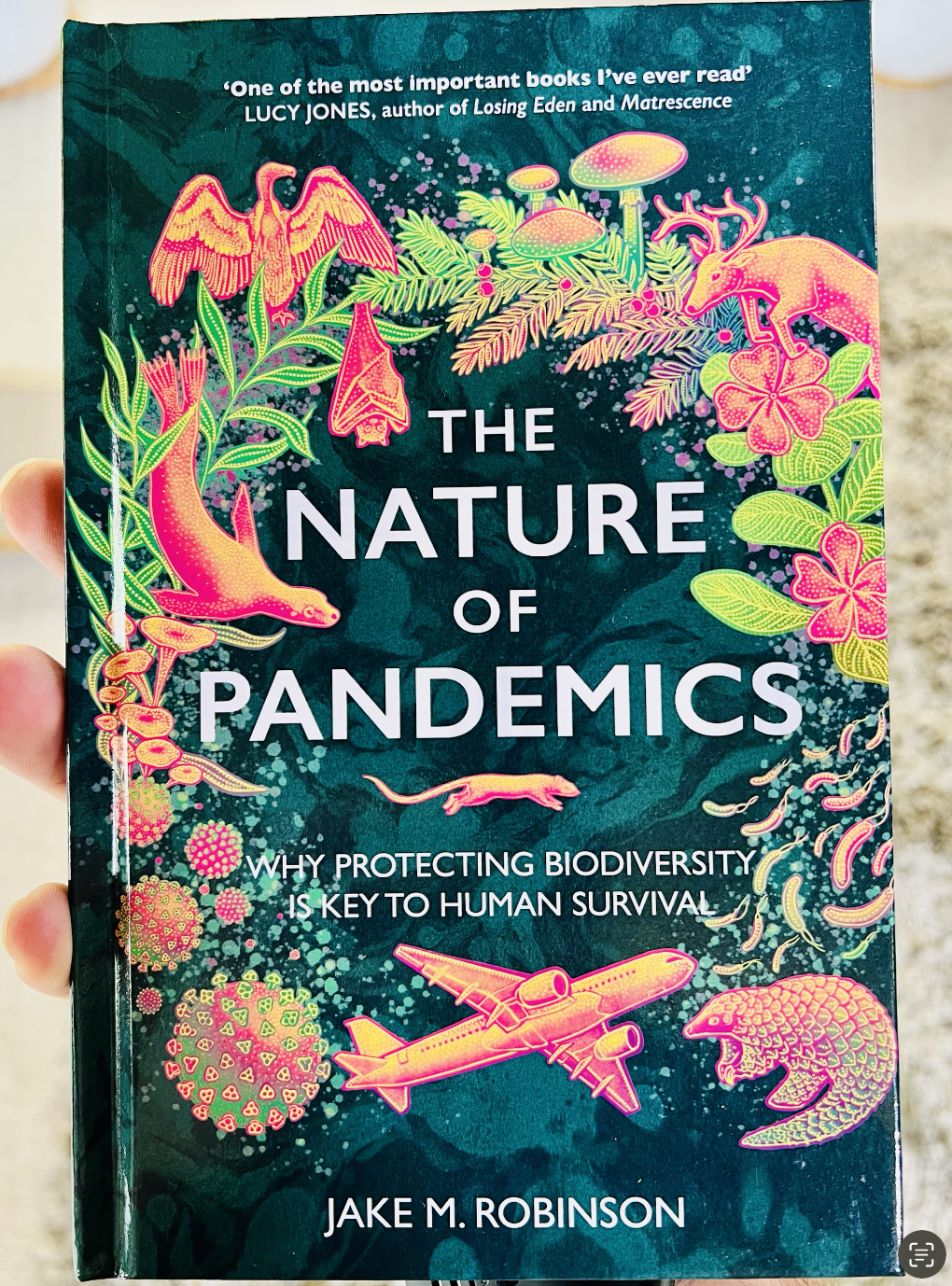
The Nature of Pandemics
Join me at Port Adelaide Town Hall (for Port Environment Centre) for a talk on my latest book, The Nature of Pandemics
Check out my blog on the book: www.jakemrobinson.com/blog/the-nature-of-pandemics
When will the next pandemic arrive? For wildlife, it’s already here.
The Nature of Pandemics explores an unspoken truth: how our actions are driving wildlife pandemics across the world. Highlighting the interconnectedness of human, (non-human) animal and environmental health, it examines historical and contemporary pandemics and considers the importance of conservation and restoration efforts, presenting a compelling case for rethinking how we approach pandemic prevention.
This timely book reframes pandemics as ecological crises that require ecological solutions, unravelling the relationship between biodiversity, ecosystem health and pandemic risk. It reveals how climate change and human activities such as habitat destruction and the wildlife trade contribute to the emergence of infectious diseases, taking the reader through likely candidates for the next pandemic. An in-depth analysis of historical pandemics links past outbreaks, such as the bubonic plague in Eyam, to modern epidemiological challenges. The book also investigates human–wildlife conflict and social equity issues, demonstrating how deforestation and land-use change drive spillovers and how poorer communities disproportionately bear the brunt of outbreaks.
Pandemics pose an escalating global threat, their frequency increasing due to human-induced environmental changes. Prevention is not just down to medical preparedness but also about restoring and protecting biodiversity. By offering solutions such as green prescriptions, ecosystem restoration and sustainable policies, this book sets out an exciting interdisciplinary perspective that merges microbiology, ecology, epidemiology and restoration science.
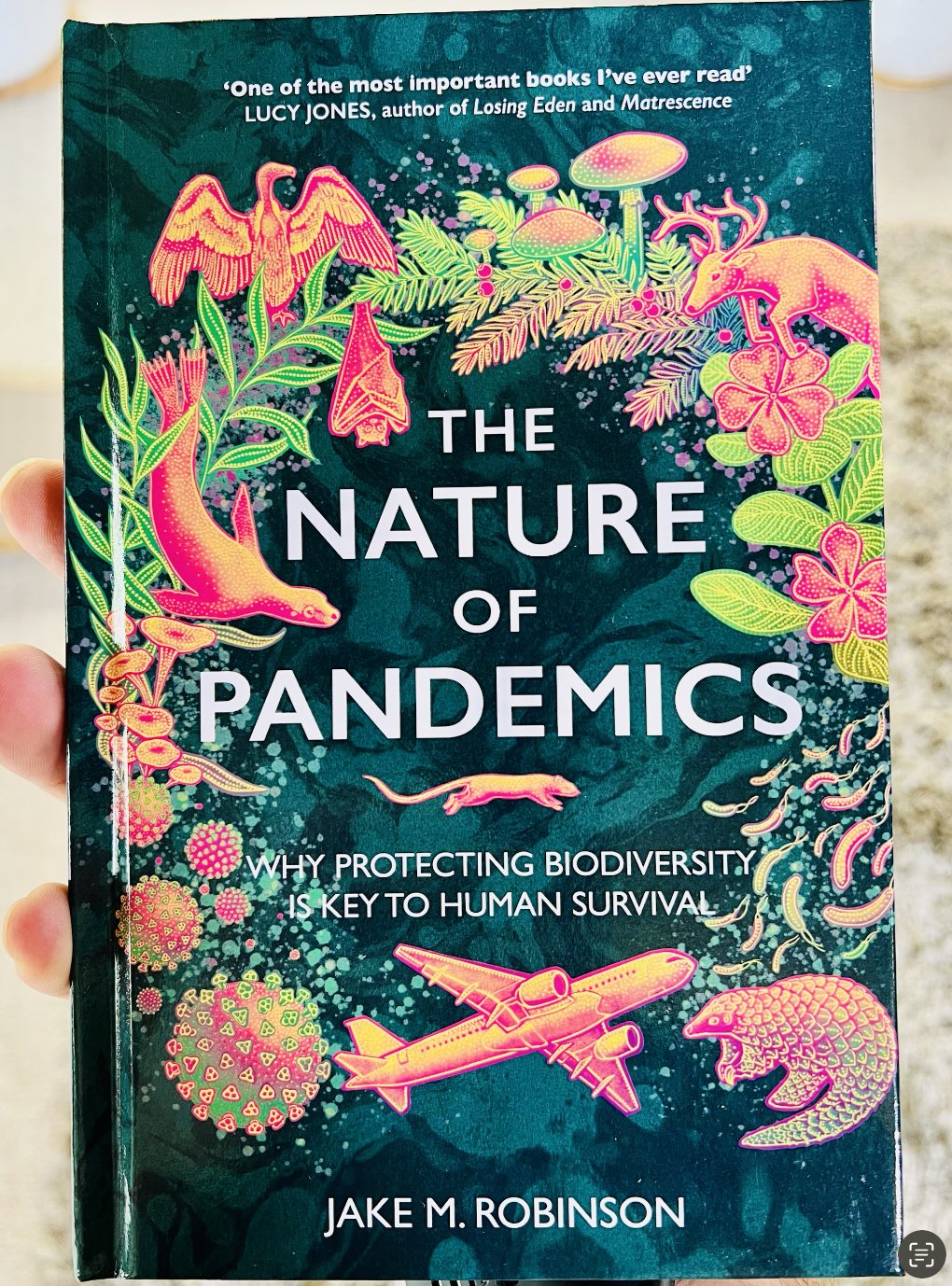
The Nature of Pandemics
Join me at the Adelaide Sustainability Centre for a talk on my latest book, The Nature of Pandemics
Check out my blog on the book: www.jakemrobinson.com/blog/the-nature-of-pandemics
When will the next pandemic arrive? For wildlife, it’s already here.
The Nature of Pandemics explores an unspoken truth: how our actions are driving wildlife pandemics across the world. Highlighting the interconnectedness of human, (non-human) animal and environmental health, it examines historical and contemporary pandemics and considers the importance of conservation and restoration efforts, presenting a compelling case for rethinking how we approach pandemic prevention.
This timely book reframes pandemics as ecological crises that require ecological solutions, unravelling the relationship between biodiversity, ecosystem health and pandemic risk. It reveals how climate change and human activities such as habitat destruction and the wildlife trade contribute to the emergence of infectious diseases, taking the reader through likely candidates for the next pandemic. An in-depth analysis of historical pandemics links past outbreaks, such as the bubonic plague in Eyam, to modern epidemiological challenges. The book also investigates human–wildlife conflict and social equity issues, demonstrating how deforestation and land-use change drive spillovers and how poorer communities disproportionately bear the brunt of outbreaks.
Pandemics pose an escalating global threat, their frequency increasing due to human-induced environmental changes. Prevention is not just down to medical preparedness but also about restoring and protecting biodiversity. By offering solutions such as green prescriptions, ecosystem restoration and sustainable policies, this book sets out an exciting interdisciplinary perspective that merges microbiology, ecology, epidemiology and restoration science.

The Nature of Pandemics: Why Protecting Biodiversity is Key to Human Survival
Join me for a talk on my latest book, The Nature of Pandemics - out in November!
Online talk for Froglife UK.
Check out my blog on the book: www.jakemrobinson.com/blog/the-nature-of-pandemics
When will the next pandemic arrive? For wildlife, it’s already here.
The Nature of Pandemics explores an unspoken truth: how our actions are driving wildlife pandemics across the world. Highlighting the interconnectedness of human, (non-human) animal and environmental health, it examines historical and contemporary pandemics and considers the importance of conservation and restoration efforts, presenting a compelling case for rethinking how we approach pandemic prevention.
This timely book reframes pandemics as ecological crises that require ecological solutions, unravelling the relationship between biodiversity, ecosystem health and pandemic risk. It reveals how climate change and human activities such as habitat destruction and the wildlife trade contribute to the emergence of infectious diseases, taking the reader through likely candidates for the next pandemic. An in-depth analysis of historical pandemics links past outbreaks, such as the bubonic plague in Eyam, to modern epidemiological challenges. The book also investigates human–wildlife conflict and social equity issues, demonstrating how deforestation and land-use change drive spillovers and how poorer communities disproportionately bear the brunt of outbreaks.
Pandemics pose an escalating global threat, their frequency increasing due to human-induced environmental changes. Prevention is not just down to medical preparedness but also about restoring and protecting biodiversity. By offering solutions such as green prescriptions, ecosystem restoration and sustainable policies, this book sets out an exciting interdisciplinary perspective that merges microbiology, ecology, epidemiology and restoration science.
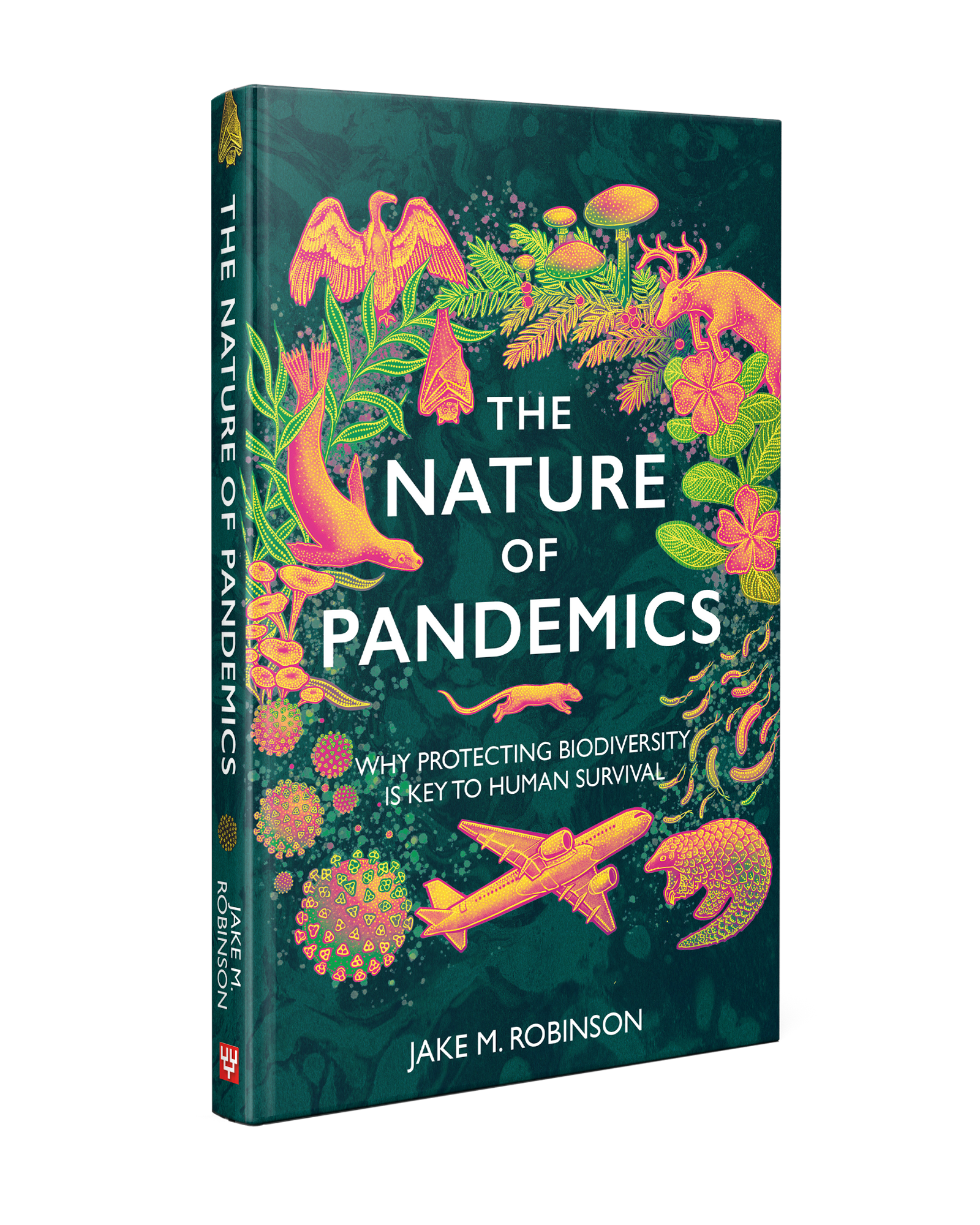
The Nature of Pandemics: Why Protecting Biodiversity is Key to Human Survival
Join me online with the Box Factory Community Centre (Adelaide SA 5000) for a talk on my latest book, The Nature of Pandemics - out in October! Booking details to follow soon.
Check out my blog on the book: www.jakemrobinson.com/blog/the-nature-of-pandemics
When will the next pandemic arrive? For wildlife, it’s already here.
The Nature of Pandemics explores an unspoken truth: how our actions are driving wildlife pandemics across the world. Highlighting the interconnectedness of human, (non-human) animal and environmental health, it examines historical and contemporary pandemics and considers the importance of conservation and restoration efforts, presenting a compelling case for rethinking how we approach pandemic prevention.
This timely book reframes pandemics as ecological crises that require ecological solutions, unravelling the relationship between biodiversity, ecosystem health and pandemic risk. It reveals how climate change and human activities such as habitat destruction and the wildlife trade contribute to the emergence of infectious diseases, taking the reader through likely candidates for the next pandemic. An in-depth analysis of historical pandemics links past outbreaks, such as the bubonic plague in Eyam, to modern epidemiological challenges. The book also investigates human–wildlife conflict and social equity issues, demonstrating how deforestation and land-use change drive spillovers and how poorer communities disproportionately bear the brunt of outbreaks.
Pandemics pose an escalating global threat, their frequency increasing due to human-induced environmental changes. Prevention is not just down to medical preparedness but also about restoring and protecting biodiversity. By offering solutions such as green prescriptions, ecosystem restoration and sustainable policies, this book sets out an exciting interdisciplinary perspective that merges microbiology, ecology, epidemiology and restoration science.
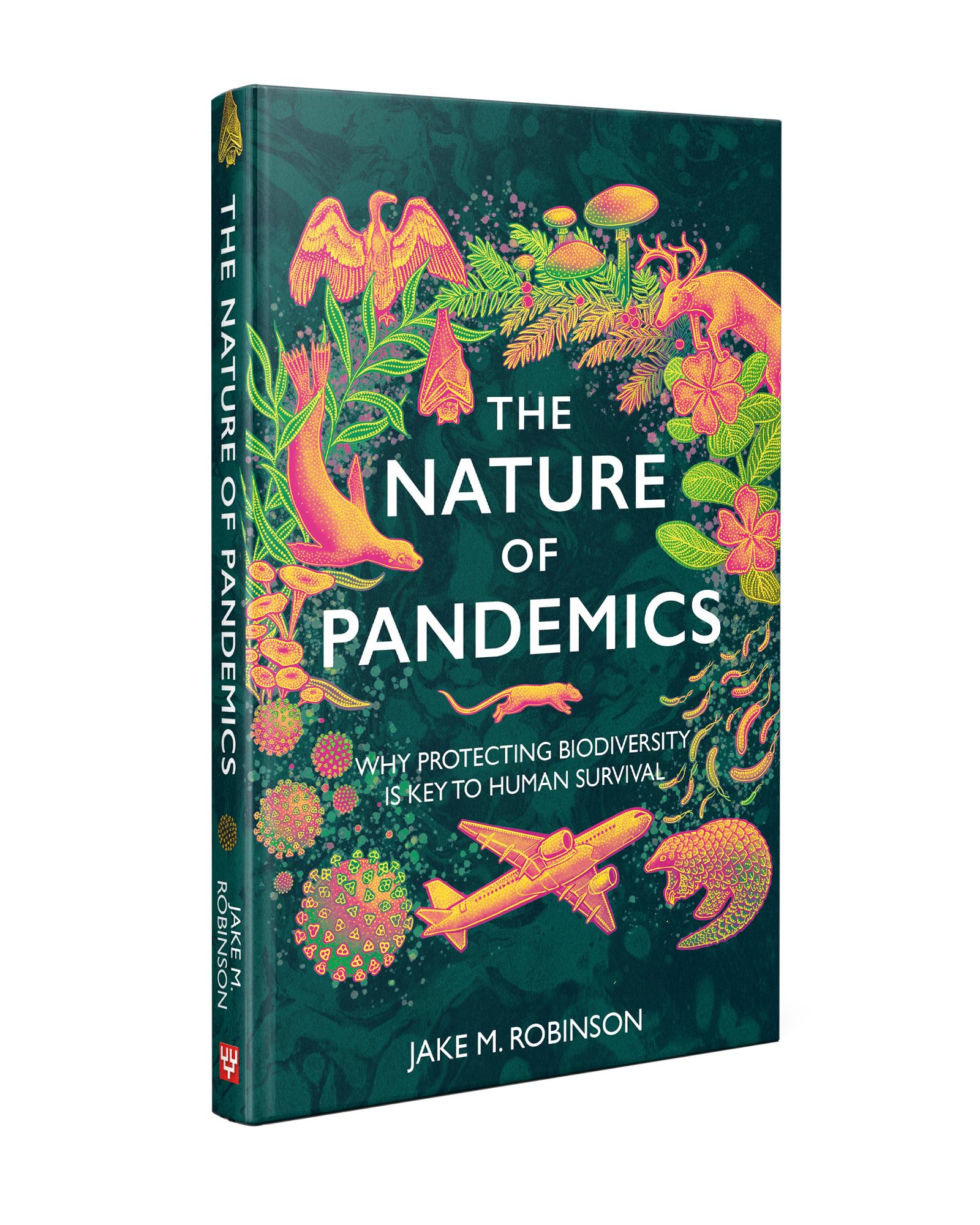
The Nature of Pandemics: Why Protecting Biodiversity is Key to Human Survival - Online (VEFN)
Join me online with the Victorian Environment Friends Network for a talk on my latest book, The Nature of Pandemics - out in October! Booking details to follow soon.
Check out my blog on the book: www.jakemrobinson.com/blog/the-nature-of-pandemics
When will the next pandemic arrive? For wildlife, it’s already here.
The Nature of Pandemics explores an unspoken truth: how our actions are driving wildlife pandemics across the world. Highlighting the interconnectedness of human, (non-human) animal and environmental health, it examines historical and contemporary pandemics and considers the importance of conservation and restoration efforts, presenting a compelling case for rethinking how we approach pandemic prevention.
This timely book reframes pandemics as ecological crises that require ecological solutions, unravelling the relationship between biodiversity, ecosystem health and pandemic risk. It reveals how climate change and human activities such as habitat destruction and the wildlife trade contribute to the emergence of infectious diseases, taking the reader through likely candidates for the next pandemic. An in-depth analysis of historical pandemics links past outbreaks, such as the bubonic plague in Eyam, to modern epidemiological challenges. The book also investigates human–wildlife conflict and social equity issues, demonstrating how deforestation and land-use change drive spillovers and how poorer communities disproportionately bear the brunt of outbreaks.
Pandemics pose an escalating global threat, their frequency increasing due to human-induced environmental changes. Prevention is not just down to medical preparedness but also about restoring and protecting biodiversity. By offering solutions such as green prescriptions, ecosystem restoration and sustainable policies, this book sets out an exciting interdisciplinary perspective that merges microbiology, ecology, epidemiology and restoration science.
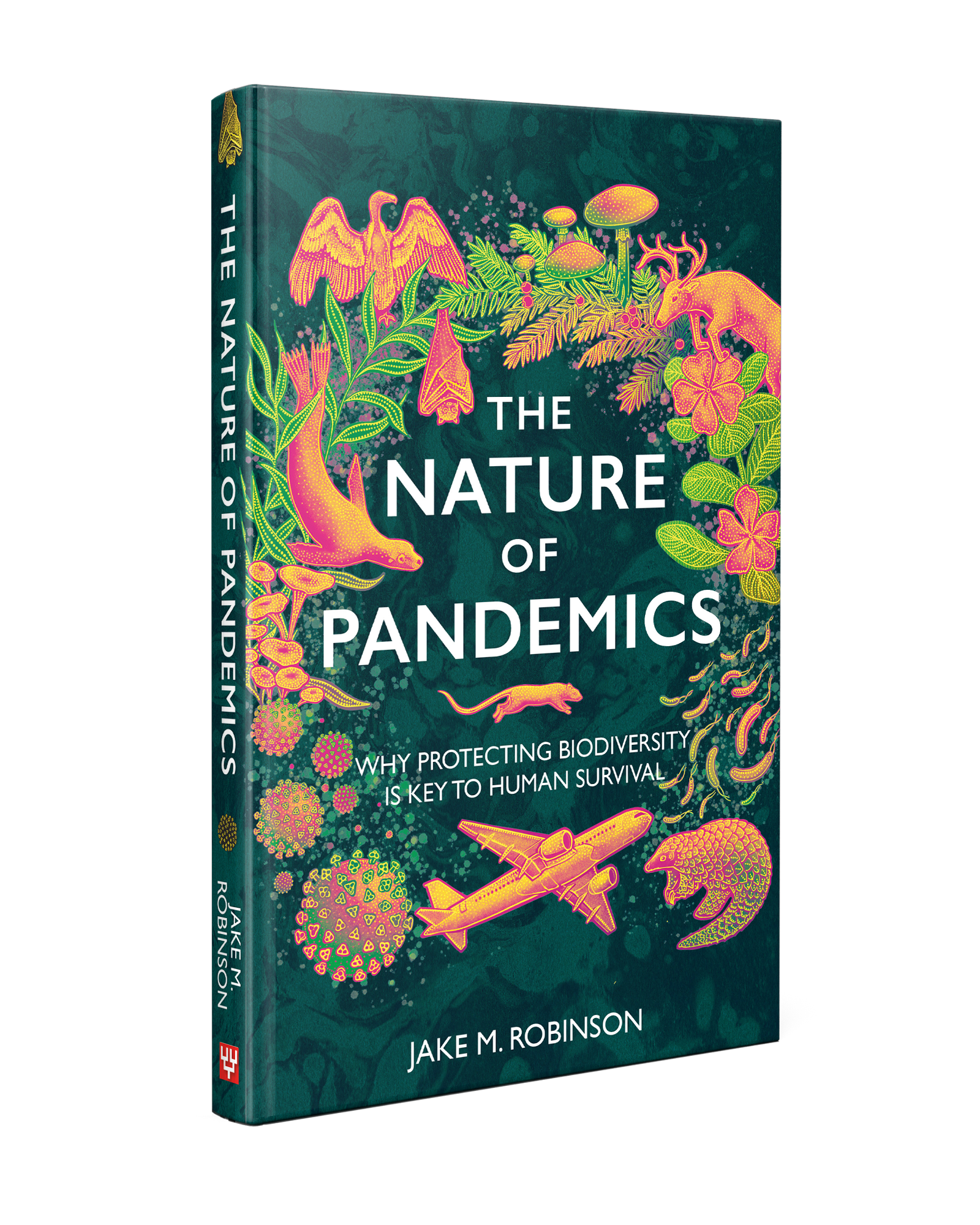
The Nature of Pandemics: Why Protecting Biodiversity is Key to Human Survival -ASMS
Join me for a talk on my latest book, The Nature of Pandemics - out in October!
Check out my blog on the book: www.jakemrobinson.com/blog/the-nature-of-pandemics
When will the next pandemic arrive? For wildlife, it’s already here.
The Nature of Pandemics explores an unspoken truth: how our actions are driving wildlife pandemics across the world. Highlighting the interconnectedness of human, (non-human) animal and environmental health, it examines historical and contemporary pandemics and considers the importance of conservation and restoration efforts, presenting a compelling case for rethinking how we approach pandemic prevention.
This timely book reframes pandemics as ecological crises that require ecological solutions, unravelling the relationship between biodiversity, ecosystem health and pandemic risk. It reveals how climate change and human activities such as habitat destruction and the wildlife trade contribute to the emergence of infectious diseases, taking the reader through likely candidates for the next pandemic. An in-depth analysis of historical pandemics links past outbreaks, such as the bubonic plague in Eyam, to modern epidemiological challenges. The book also investigates human–wildlife conflict and social equity issues, demonstrating how deforestation and land-use change drive spillovers and how poorer communities disproportionately bear the brunt of outbreaks.
Pandemics pose an escalating global threat, their frequency increasing due to human-induced environmental changes. Prevention is not just down to medical preparedness but also about restoring and protecting biodiversity. By offering solutions such as green prescriptions, ecosystem restoration and sustainable policies, this book sets out an exciting interdisciplinary perspective that merges microbiology, ecology, epidemiology and restoration science.

The Nature of Pandemics: Why Protecting Biodiversity is Key to Human Survival - Mount Barker
Join me at Mount Barker Library for a talk on my latest book, The Nature of Pandemics - out in October!
Check out my blog on the book: www.jakemrobinson.com/blog/the-nature-of-pandemics
When will the next pandemic arrive? For wildlife, it’s already here.
The Nature of Pandemics explores an unspoken truth: how our actions are driving wildlife pandemics across the world. Highlighting the interconnectedness of human, (non-human) animal and environmental health, it examines historical and contemporary pandemics and considers the importance of conservation and restoration efforts, presenting a compelling case for rethinking how we approach pandemic prevention.
This timely book reframes pandemics as ecological crises that require ecological solutions, unravelling the relationship between biodiversity, ecosystem health and pandemic risk. It reveals how climate change and human activities such as habitat destruction and the wildlife trade contribute to the emergence of infectious diseases, taking the reader through likely candidates for the next pandemic. An in-depth analysis of historical pandemics links past outbreaks, such as the bubonic plague in Eyam, to modern epidemiological challenges. The book also investigates human–wildlife conflict and social equity issues, demonstrating how deforestation and land-use change drive spillovers and how poorer communities disproportionately bear the brunt of outbreaks.
Pandemics pose an escalating global threat, their frequency increasing due to human-induced environmental changes. Prevention is not just down to medical preparedness but also about restoring and protecting biodiversity. By offering solutions such as green prescriptions, ecosystem restoration and sustainable policies, this book sets out an exciting interdisciplinary perspective that merges microbiology, ecology, epidemiology and restoration science.
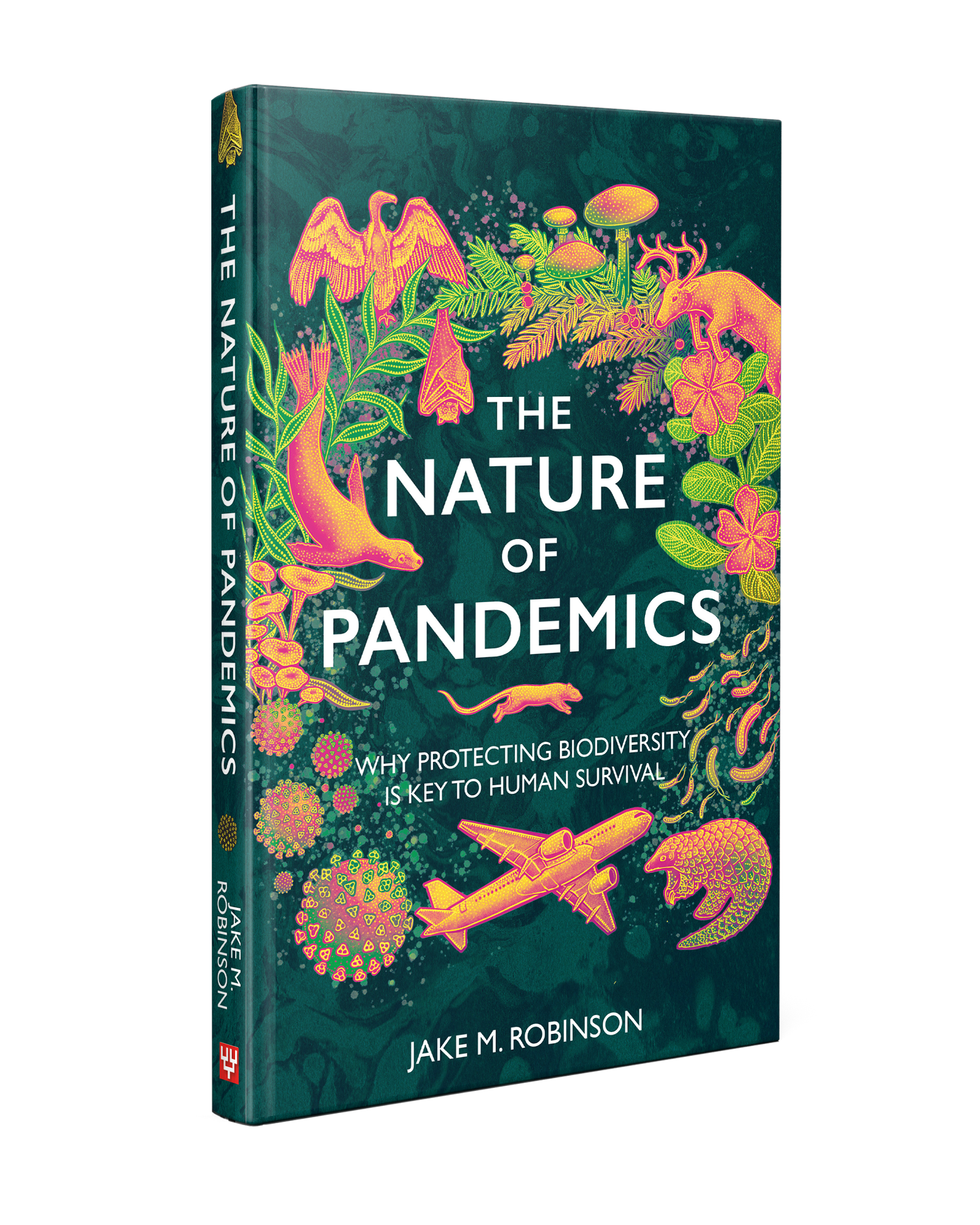
The Nature of Pandemics: Why Protecting Biodiversity is Key to Human Survival
Join me for a talk on my latest book, The Nature of Pandemics - out in October!
Online talk for Thrive UK - https://www.thrive.org.uk/nature-of-pandemics-webinar-with-jake-robinson.
Check out my blog on the book: www.jakemrobinson.com/blog/the-nature-of-pandemics
When will the next pandemic arrive? For wildlife, it’s already here.
The Nature of Pandemics explores an unspoken truth: how our actions are driving wildlife pandemics across the world. Highlighting the interconnectedness of human, (non-human) animal and environmental health, it examines historical and contemporary pandemics and considers the importance of conservation and restoration efforts, presenting a compelling case for rethinking how we approach pandemic prevention.
This timely book reframes pandemics as ecological crises that require ecological solutions, unravelling the relationship between biodiversity, ecosystem health and pandemic risk. It reveals how climate change and human activities such as habitat destruction and the wildlife trade contribute to the emergence of infectious diseases, taking the reader through likely candidates for the next pandemic. An in-depth analysis of historical pandemics links past outbreaks, such as the bubonic plague in Eyam, to modern epidemiological challenges. The book also investigates human–wildlife conflict and social equity issues, demonstrating how deforestation and land-use change drive spillovers and how poorer communities disproportionately bear the brunt of outbreaks.
Pandemics pose an escalating global threat, their frequency increasing due to human-induced environmental changes. Prevention is not just down to medical preparedness but also about restoring and protecting biodiversity. By offering solutions such as green prescriptions, ecosystem restoration and sustainable policies, this book sets out an exciting interdisciplinary perspective that merges microbiology, ecology, epidemiology and restoration science.

The Science of Biodiversity & Human Health Linkages
Mitchell Park Neighbourhood Centre at 6:30 pm!
Join me for a talk on the science behind the health benefits of engaging with biodiversity—from the invisible to the visible!
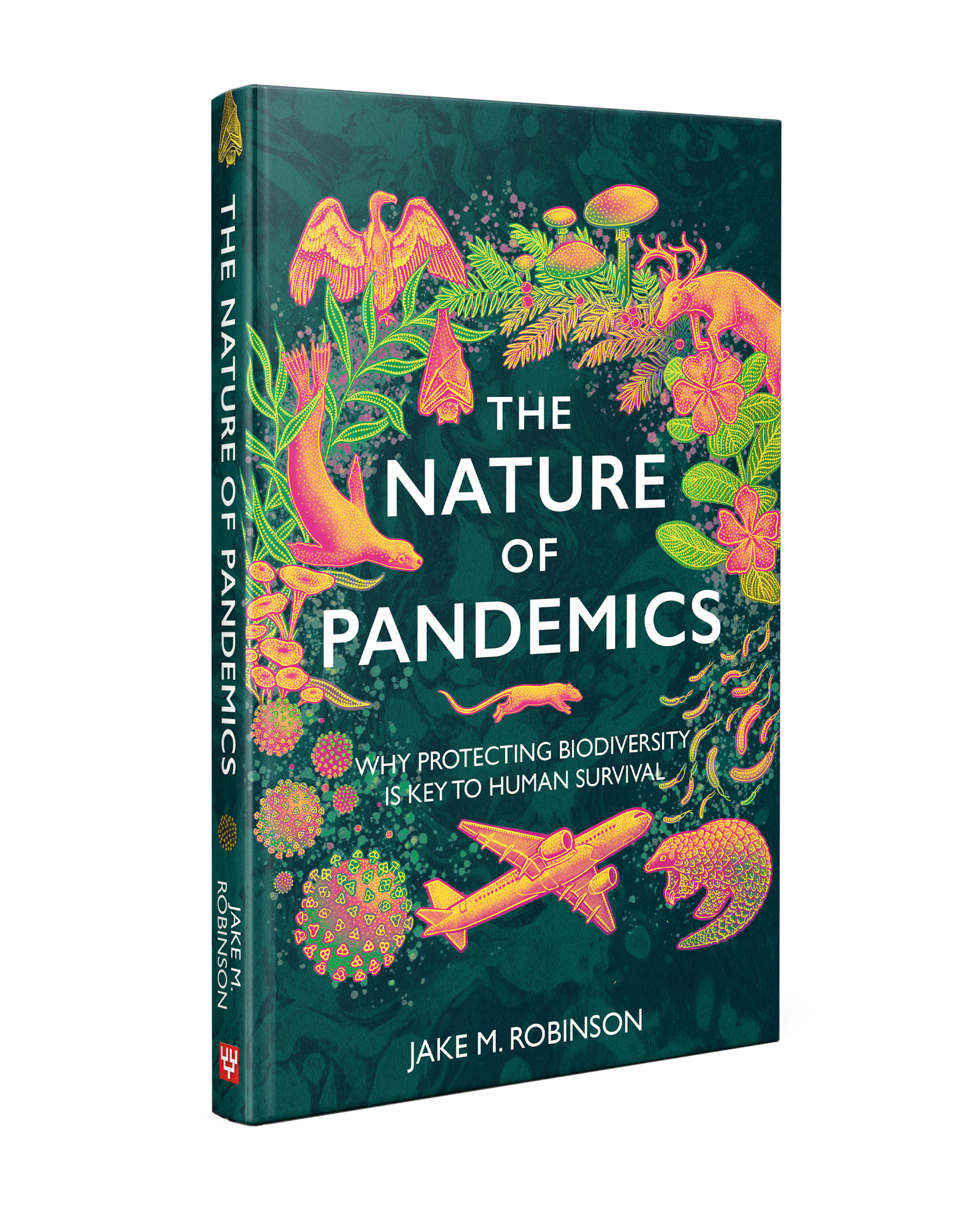
The Nature of Pandemics: Why Protecting Biodiversity is Key to Human Survival - Burnside Library
Join me at Burnside Library for a talk on my latest book, The Nature of Pandemics - out in October!
Check out my blog on the book: www.jakemrobinson.com/blog/the-nature-of-pandemics
When will the next pandemic arrive? For wildlife, it’s already here.
The Nature of Pandemics explores an unspoken truth: how our actions are driving wildlife pandemics across the world. Highlighting the interconnectedness of human, (non-human) animal and environmental health, it examines historical and contemporary pandemics and considers the importance of conservation and restoration efforts, presenting a compelling case for rethinking how we approach pandemic prevention.
This timely book reframes pandemics as ecological crises that require ecological solutions, unravelling the relationship between biodiversity, ecosystem health and pandemic risk. It reveals how climate change and human activities such as habitat destruction and the wildlife trade contribute to the emergence of infectious diseases, taking the reader through likely candidates for the next pandemic. An in-depth analysis of historical pandemics links past outbreaks, such as the bubonic plague in Eyam, to modern epidemiological challenges. The book also investigates human–wildlife conflict and social equity issues, demonstrating how deforestation and land-use change drive spillovers and how poorer communities disproportionately bear the brunt of outbreaks.
Pandemics pose an escalating global threat, their frequency increasing due to human-induced environmental changes. Prevention is not just down to medical preparedness but also about restoring and protecting biodiversity. By offering solutions such as green prescriptions, ecosystem restoration and sustainable policies, this book sets out an exciting interdisciplinary perspective that merges microbiology, ecology, epidemiology and restoration science.

Invisible Friends: Microbes and Restoring Ecosystems
Join me at the Hills Environment Centre for a talk on how microbes are vital for ecosystems and the latest research on working with them to restore nature.
4 Crescent Dr, Norton Summit SA 5136 - 6 pm (Adelaide time)

Invisible Friends at National Science Week
Unley Town Hall, Adelaide, SA - 6:30 pm start!
Invisible Friends: How Microbes Shape Our Lives and the World Around Us
Book your tickets here: https://www.unley.sa.gov.au/Eventbrite/LIB-25-08-Dr-Jake-Robinson-Presents-Invisible-Friends-1319546351659
As the threat of another pandemic looms, all eyes are on microbes: an imperceptible and pervasive threat that hangs heavy in the air and clings to surfaces. But the reality of microorganisms is far more diverse and life-sustaining than such a notion would have us believe. Not only are they omnipresent, but we are highly attuned to their workings – both in the world at large and right here within our own bodies. Meanwhile, cutting-edge microbiome research is changing our understanding of reality, challenging fundamental concepts of free will and individuality. Threaded through everything are microbes: the very glue that holds ecosystems together. This topical and engaging talk counters the prevailing narrative of microbes as the bane of society, providing much-needed clarity on the overwhelmingly beneficial role they play. Discover how the microbiome is highly relevant to environmental issues and how microbes may influence our decisions: even the way we think about how we think may need to be revisited. Invisible Friends introduces the reader to a vast, pullulating cohort of minute life – friends you never knew you had.

TREEWILDING @ City of Burnside Environmental Expo!
A forest is as invisible as it is visible!

URBAN SOIL BIODIVERSITY!
Join me for a talk on the importance of urban soil biodiversity, why it’s vital to our health and that of our urban ecosystems, and how to restore it!
Online talk at 7 pm (Melbourne time). Eventbrite link to follow!

Urban soil biodiversity: the hidden key to healthy communities and thriving ecosystems
Join me for a talk on how soil biodiversity is vital for urban ecosystem functions and human health!
I’ll cover:
How a diversity of soil organisms support essential ecosystem functions like nutrient cycling and plant health.
The surprising links between urban soil biodiversity, microbial exposure, and benefits to the human immune system.
How “healthy” soils enhance urban greenspaces, boost climate resilience, and improve community livability.
Threats to urban soil health and practical strategies to restore and monitor soil biodiversity.
The talk is hosted by Green Adelaide and will start at 4 pm (Adelaide time). Here is the Teams registration link: https://events.teams.microsoft.com/event/da41a8c9-3a0d-4d5d-9a2c-a0522f4f52e3@bda528f7-fca9-432f-bc98-bd7e90d40906
See you there!